Chinese tea boasts a rich variety and distinct regional characteristics. Based on fermentation level and processing methods, it can be categorized into six core types, each featuring world-renowned varieties with unique highlights in taste, origin, and flavor!
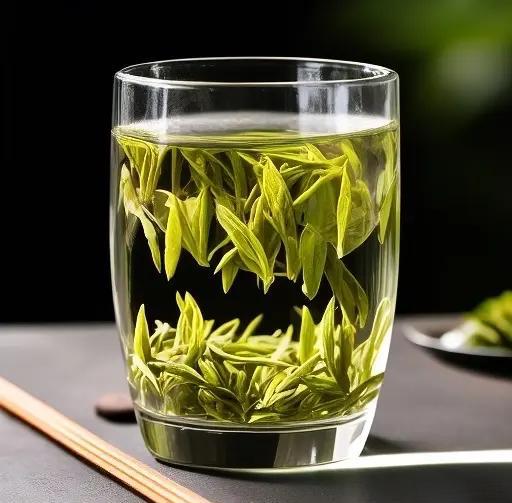
1. Green Tea (Unfermented Tea)
- Key Characteristics: Retains the natural color of tea leaves; processing primarily involves fixation, rolling, and drying.
- Famous Varieties & Regions: West Lake Longjing (Hangzhou, Zhejiang), Biluochun (Suzhou, Jiangsu), Xinyang Maojian (Xinyang, Henan), Huangshan Maofeng (Huangshan, Anhui).
- Taste Profile: Fresh, brisk, and subtly sweet, with natural floral or chestnut notes; produces a bright, light green infusion with no astringency and a noticeable sweet aftertaste.
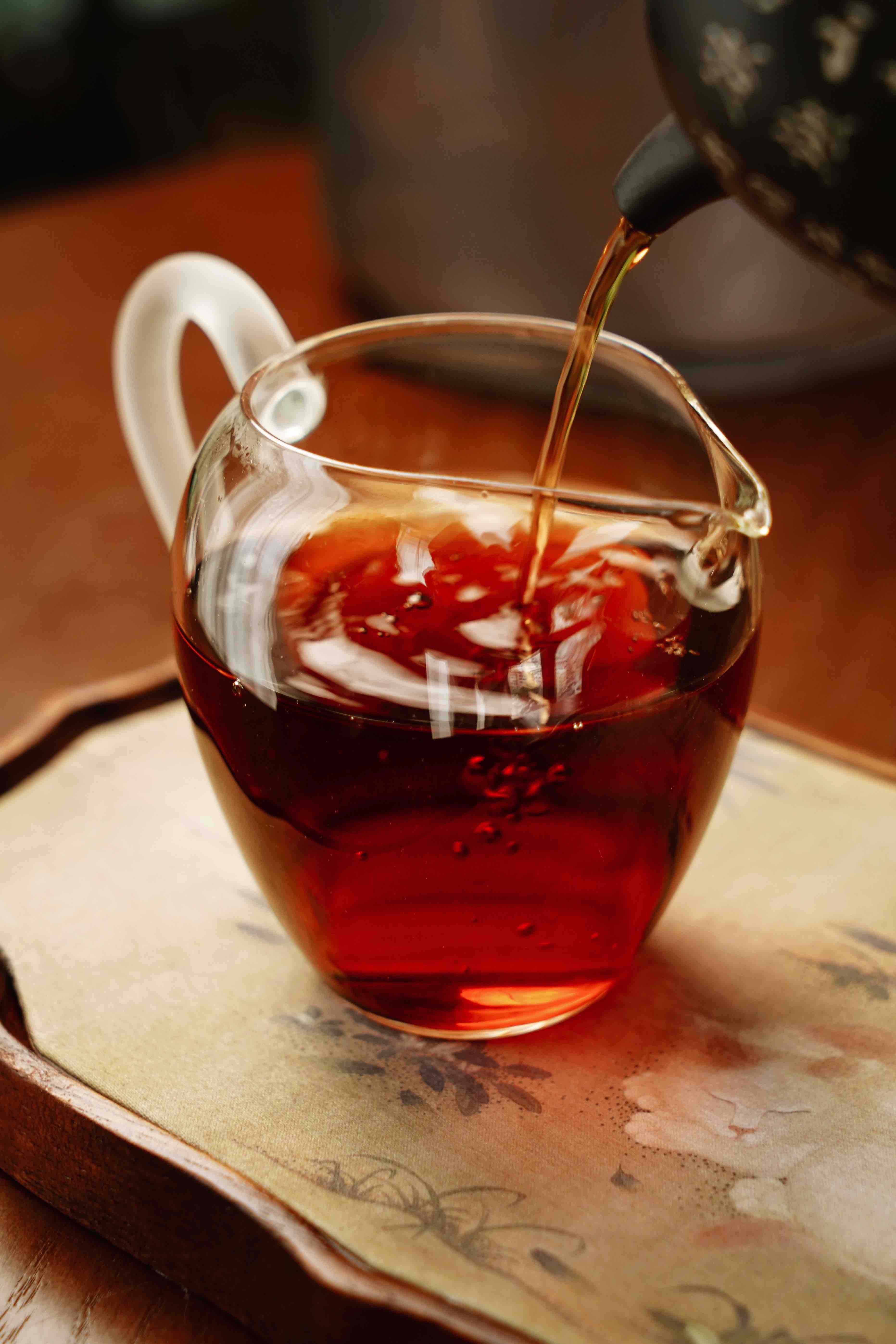
2. Black Tea (Fully Fermented Tea)
- Key Characteristics: Fully fermented, turning tea leaves from green to reddish-brown and producing a red-hued infusion.
- Famous Varieties & Regions: Keemun Black Tea (Qimen, Anhui), Lapsang Souchong (Wuyi Mountains, Fujian), Dianhong (Lincang/Fengqing, Yunnan).
- Taste Profile: Rich, mellow, and sweet. Keemun features the distinctive "Keemun fragrance" (reminiscent of orchid), Lapsang Souchong carries a smoky pine aroma, and Dianhong offers a bold, full-bodied flavor with a long-lasting sweet finish.
3. Oolong Tea (Semi-Fermented Tea)
- Key Characteristics: Fermentation level falls between green and black teas, combining characteristics of both.
- Famous Varieties & Regions: Tieguanyin (Anxi, Fujian), Da Hong Pao (Wuyi Mountains, Fujian), Fenghuang Dancong (Chaozhou, Guangdong).
- Taste Profile: Highly aromatic. Lightly oxidized Tieguanyin is fresh and brisk, while heavily oxidized Tieguanyin is rich and mellow; Da Hong Pao exhibits a unique "rock rhyme" (Yanyun) with a powerful aftertaste; Fenghuang Dancong offers diverse fragrances (such as honey and orchid notes) and a smooth, sweet flavor.
4. White Tea (Minimally Fermented Tea)
- Key Characteristics: Undergoes neither pan-firing nor rolling—only withering and drying—to preserve maximum nutrients.
- Famous Varieties & Regions: Baihao Yinzhen (Fuding/Zhenghe, Fujian), White Peony (Fuding/Zhenghe, Fujian), Shou Mei (Fuding/Zhenghe, Fujian).
- Taste Profile: Delicate, sweet, and elegant, with prominent downy aroma. Baihao Yinzhen is refreshingly brisk with a lingering sweetness; White Peony has more pronounced floral notes; Shou Mei delivers a mellow, smooth, and rounded flavor.
5. Dark Tea (Post-Fermented Tea)
- Key Characteristics: Undergoes prolonged fermentation, is highly age-worthy, and develops richer aroma over time.
- Famous Varieties & Regions: Pu'er Tea (Pu'er/Xishuangbanna, Yunnan), Anhua Dark Tea (Anhua, Hunan).
- Taste Profile: Pu'er comes in raw (sheng) and ripe (shou) forms. Raw Pu'er is bold and slightly astringent initially but finishes with a strong sweet aftertaste; ripe Pu'er is smooth, mellow, and free of astringency. Anhua Dark Tea has a deep aged aroma and a soft, gentle mouthfeel.
6. Yellow Tea (Lightly Fermented Tea)
- Key Characteristics: Similar to green tea but includes an additional "sealed yellowing" step during processing, resulting in a yellow infusion.
- Famous Varieties & Regions: Junshan Yinzhen (Junshan Island, Yueyang, Hunan), Huoshan Huangya (Huoshan, Anhui).
- Taste Profile: Fresh, smooth, and sweet, with a clean, refreshing aroma and a gentle, rounded flavor—lacking the grassy sharpness of green tea and offering a more mellow character.