As a cultural symbol of China—"CHINA"—porcelain derives its core appeal from its classification, heritage, and regional characteristics. Chinese porcelain is primarily categorized by "glaze color + craftsmanship," forming over millennia a dual system of "southern celadon and northern white ware" alongside parallel official and folk kilns. Different production regions have developed distinctive styles due to variations in materials and techniques.
### I. Core Classifications of Chinese Porcelain
1. Classification by Glaze Color (Most Intuitive)
- Celadon: Colored with iron oxide, ranging from pale to deep green; the earliest mature porcelain type.
- White Porcelain: Extremely low iron content yields pure, bright white glaze, laying the foundation for polychrome porcelain.
- Polychrome Porcelain: Includes underglaze colors (e.g., blue-and-white, copper-red) and overglaze enamels (e.g., famille rose, wucai), offering rich and vibrant hues.
- Monochrome Glazed Porcelain: No decoration; relies solely on glaze color for aesthetic impact (e.g., Ru ware’s sky-blue, Jun ware’s rose-purple).
- Black Porcelain: High iron content produces a glossy black glaze, commonly used for tea ware.
2. Classification by Craftsmanship (Affects Texture and Value)
- High-fired Porcelain (above 1300°C): Hard-bodied with a crisp ring when tapped, such as blue-and-white and white porcelain.
- Low-fired Porcelain (800–1200°C): Softer texture with vivid colors, exemplified by famille rose and enamel porcelain.
- Handcrafted Porcelain: Hand-painted or hand-molded, high in artistic value; machine-made porcelain: mass-produced, offering better cost-performance.
### II. Millennia-long Heritage of Porcelain
1. Origins and Maturation (Shang-Zhou to Sui-Tang Dynasties)
- Shang-Zhou: Primitive celadon emerged, marking the embryonic stage of porcelain.
- Eastern Han: True celadon matured in Shangyu, Zhejiang, signifying the birth of porcelain.
- Sui-Tang: The "southern celadon, northern white" pattern took shape, with Yue kiln celadon in the south and Xing kiln white ware in the north gaining equal renown.
2. Golden Age and Flourishing (Song, Yuan, Ming, Qing Dynasties)
- Song Dynasty: The Five Great Kilns (Ru, Guan, Ge, Jun, Ding) rose to prominence, emphasizing "the beauty of glaze" with simple, elegant styles.
- Yuan Dynasty: Blue-and-white porcelain matured; Jingdezhen became the "Porcelain Capital," establishing blue-and-white as the dominant porcelain style.
- Ming Dynasty: Polychrome porcelain thrived; Yongle-Xuande blue-and-white and Chenghua doucai gained worldwide fame.
- Qing Dynasty: Kangxi wucai, Yongzheng famille rose, and Qianlong enamel porcelain reached their peak, featuring intricate and exquisite craftsmanship.
3. Modern Inheritance
- Revival of Traditional Techniques: Classic methods of Ru, Guan, and other historic kilns are being recreated.
- Innovative Integration: Modern design merges with traditional porcelain to develop practical items like tea sets and home décor.
### III. Distinctive Porcelain by Region
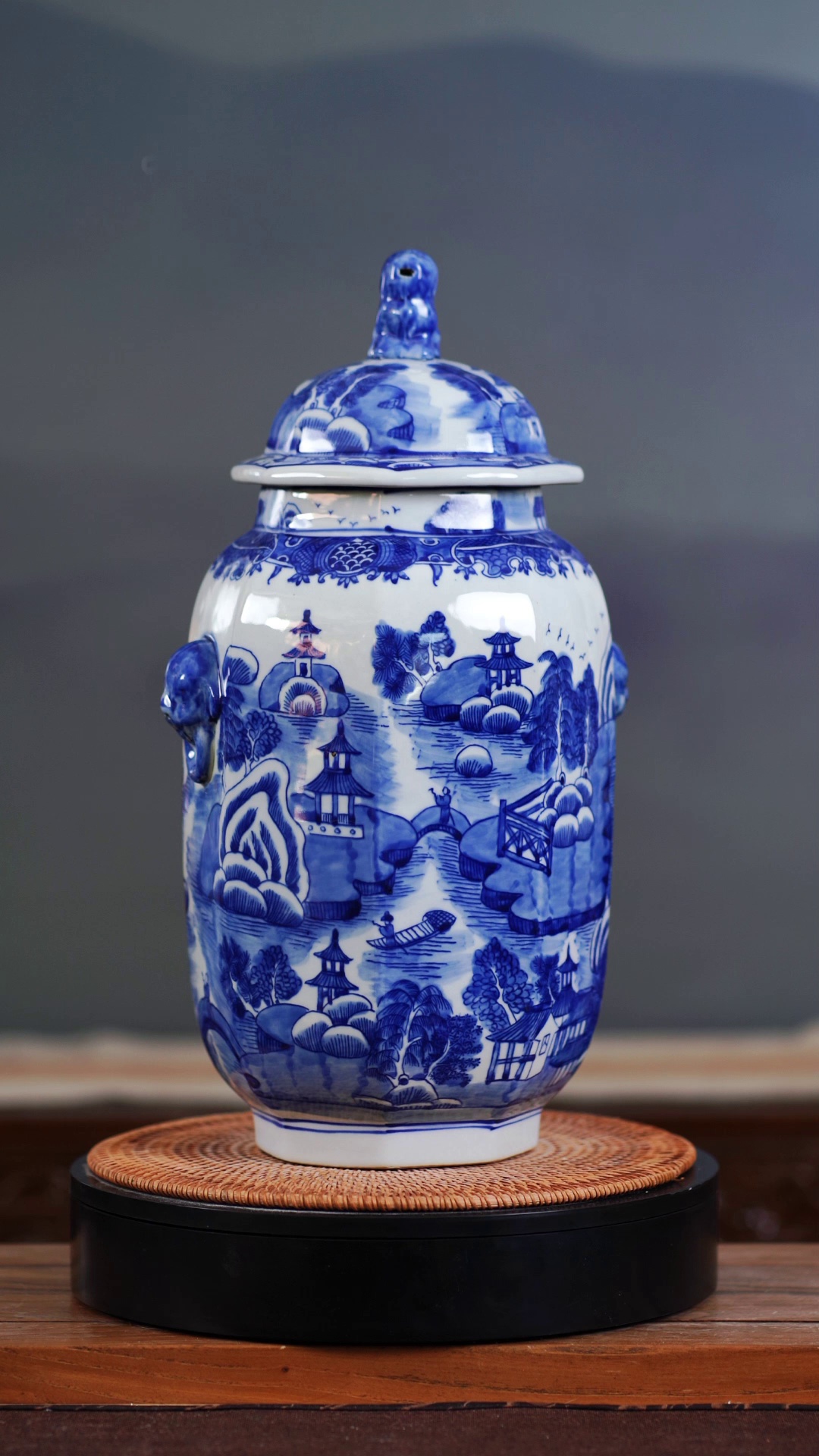
#### 1. Jingdezhen (Jiangxi) – The Porcelain Capital, Versatile Producer
- Key Features: Four famous types—blue-and-white, famille rose, linglong (openwork), and colored glazes.
- Advantages: Superior kaolin clay, refined firing techniques, and site of imperial kilns during Ming and Qing dynasties.
- Representative Works: Yuan blue-and-white "Guigu Zi Descending the Mountain" jar, Ming Chenghua doucai chicken cup, Qing Yongzheng famille rose porcelain.
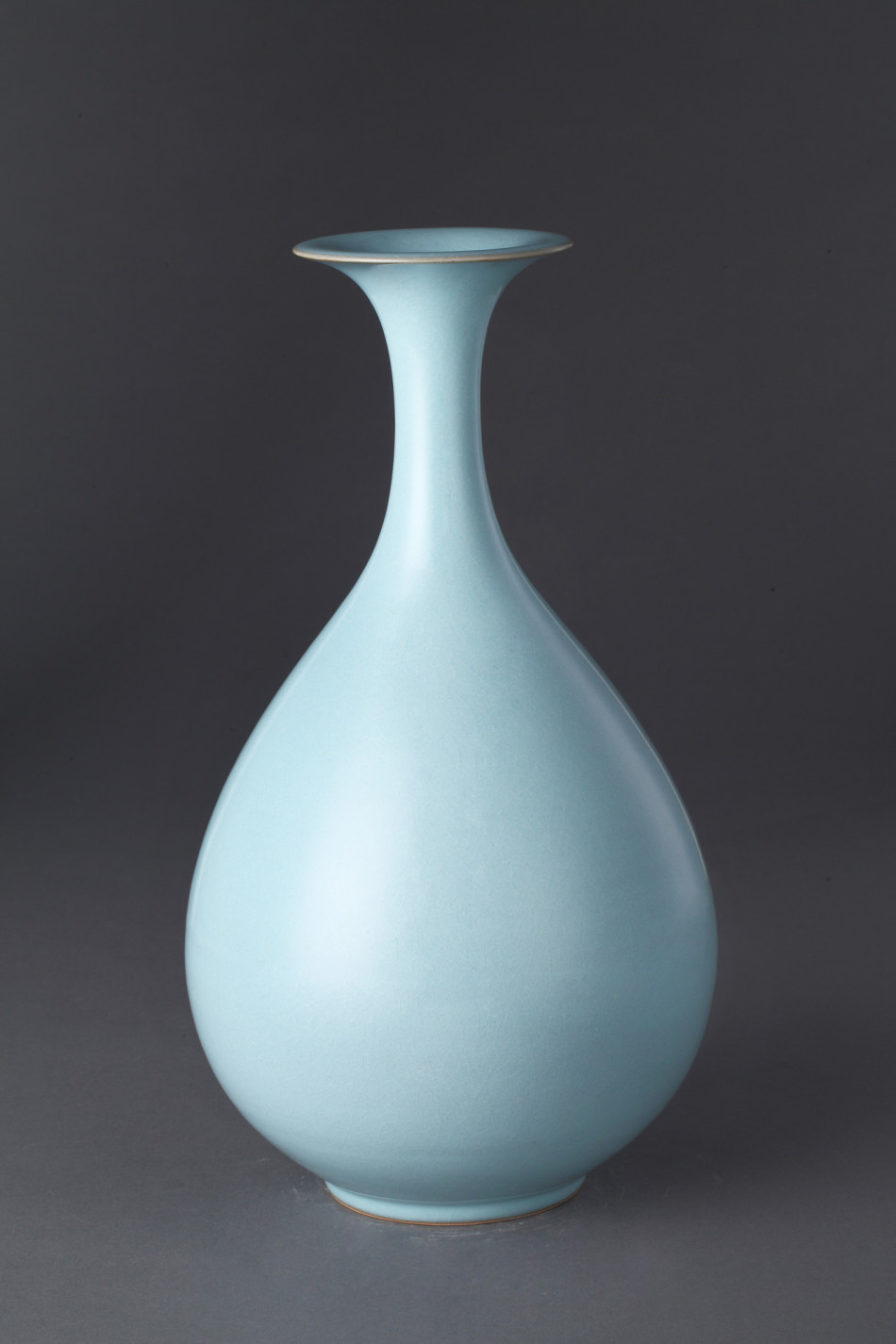
#### 2. Ru Kiln (Ruzhou, Henan) – Foremost Among Song Dynasty’s Five Great Kilns
- Key Features: Sky-blue glaze described as "the color after rain clears the sky," with fine crackled surface.
- Characteristics: Fine ash-gray body, jade-like glaze; extremely rare surviving pieces with exceptional collectible value.
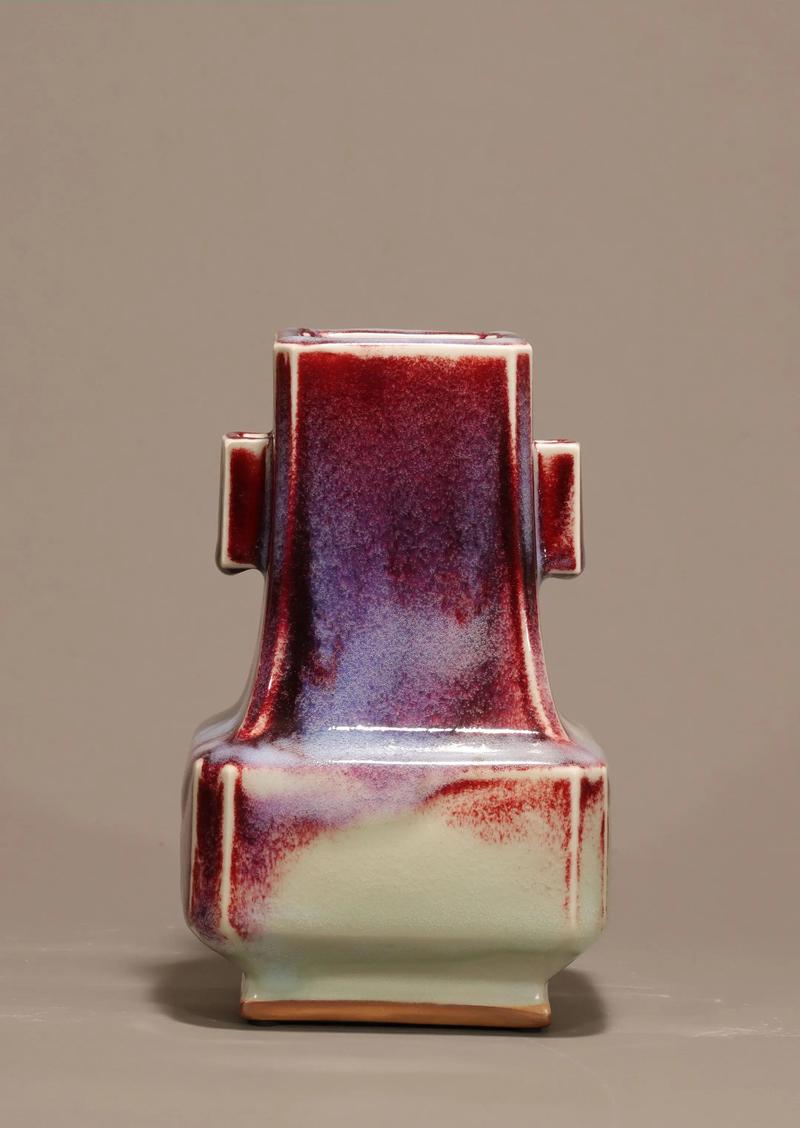
#### 3. Jun Kiln (Yuzhou, Henan) – Unmatched in Glaze Transformation
- Key Features: "One color goes in, ten thousand emerge"—glazes transform unpredictably into rose-purple, crab-apple red, or sky-blue.
- Characteristics: Colors form naturally through kiln atmosphere without manual pigmentation; each piece is a unique treasure.
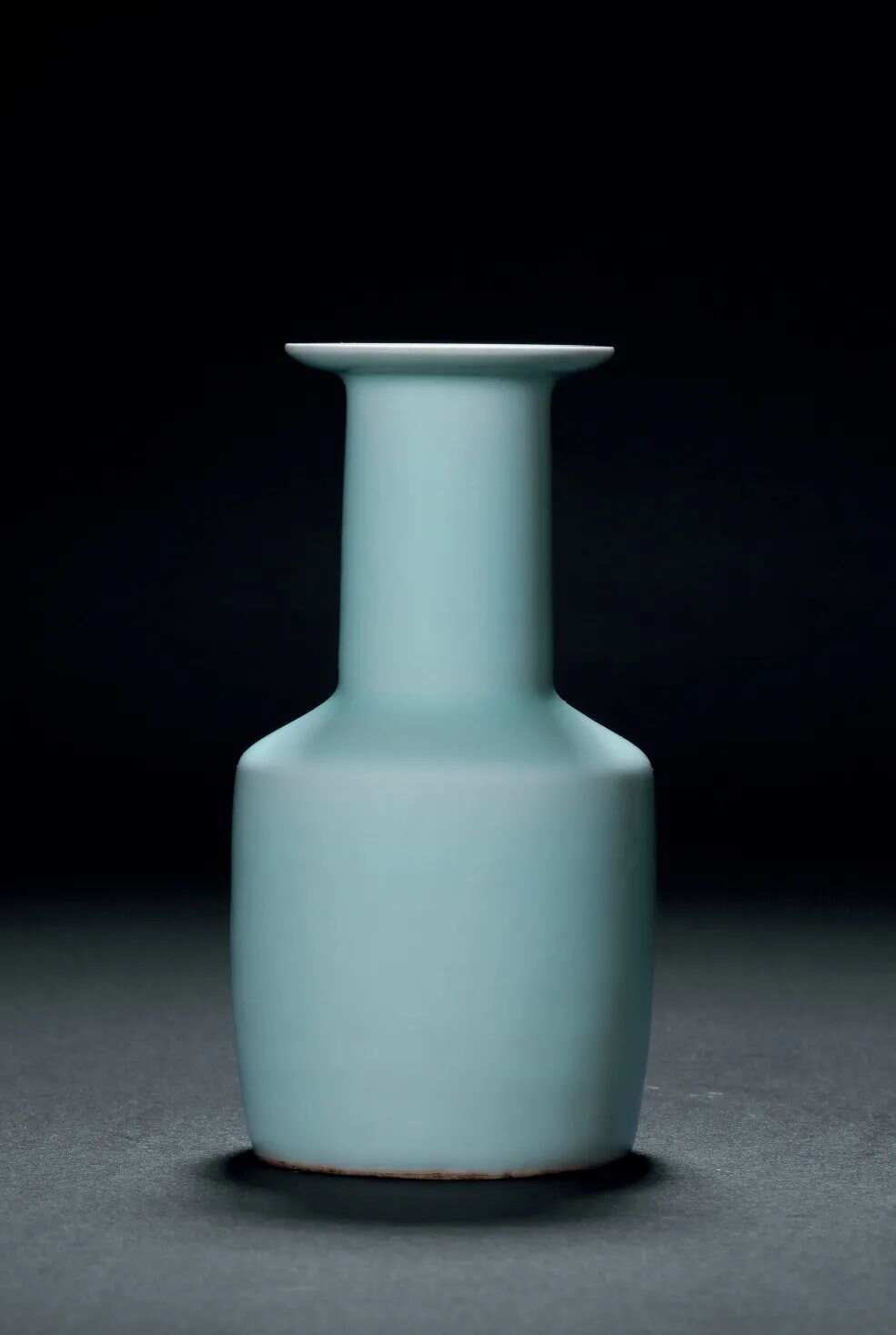
#### 4. Longquan Kiln (Longquan, Zhejiang) – Pinnacle of Celadon
- Key Features: "Plum-green" and "powder-green" celadon with jade-like, emerald hues.
- Classification: Ge Kiln (with "golden thread and iron wire" crackle pattern) and Di Kiln (uncracked, pure glaze).
- Characteristics: Flourished from Song to Ming dynasties; China’s primary export celadon type.
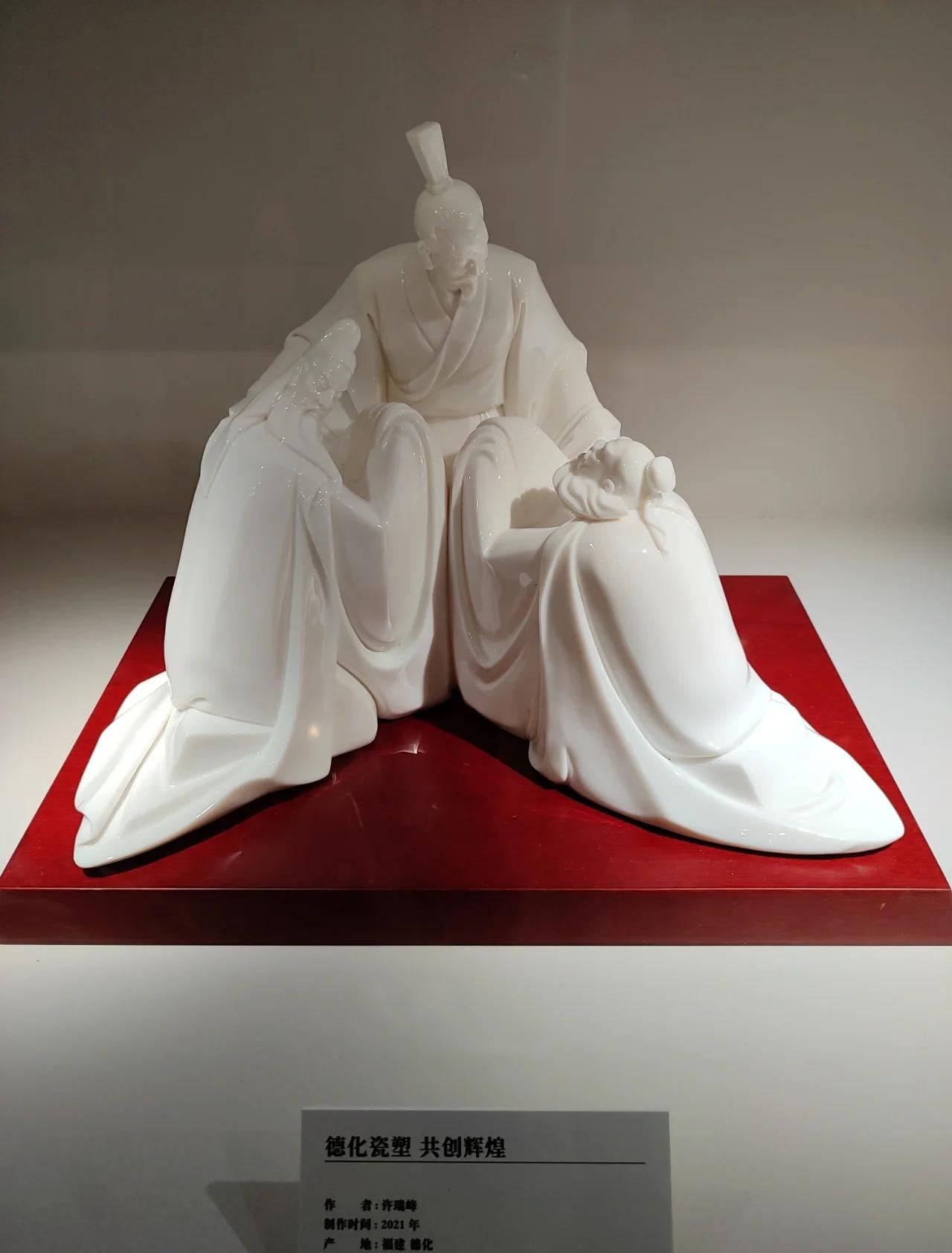
#### 5. Dehua Kiln (Dehua, Fujian) – Sanctuary of White Porcelain
- Key Features: "Ivory white" or "lard white" glaze—pure, warm, and translucent.
- Representative Works: Ming Dynasty He Chaozong’s porcelain Guanyin statues—exquisitely crafted with lifelike expressions, hailed as the "Venus of the East."
#### 6. Liling Kiln (Liling, Hunan) – Home of Underglaze Five-color Porcelain
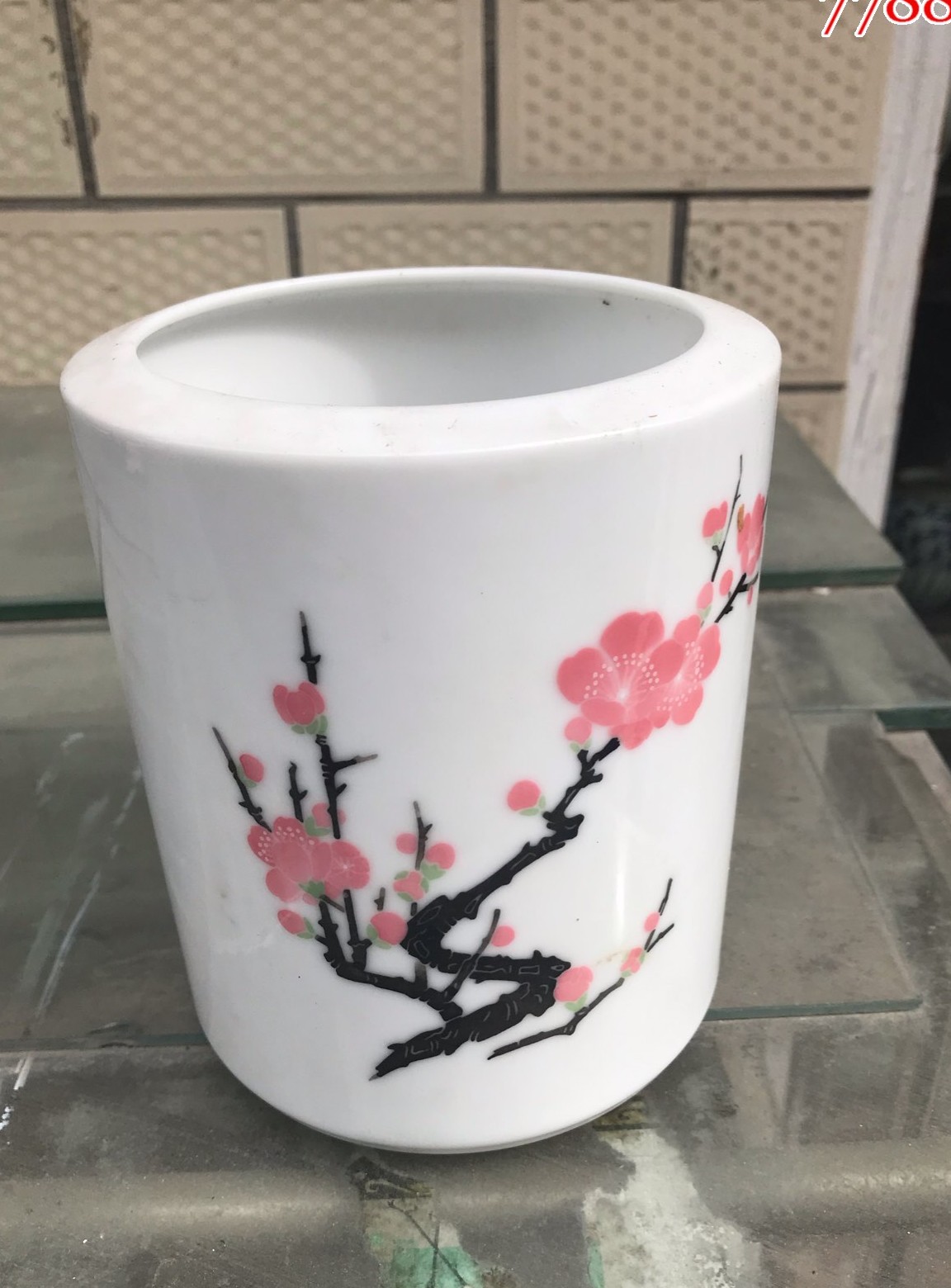
- Key Features: Underglaze five-color technique—bright, durable colors on fine-textured porcelain.
- Characteristics: Emerged in late Qing/early Republic era; balances utility and artistry, now a major modern porcelain production center.
#### 7. Ding Kiln (Quyang, Hebei) – Renowned Song White Ware Kiln
- Key Features: White porcelain with a faint yellowish tint, "sharp rim" (unglazed mouth), and mostly molded decorative patterns.
- Technique: Used inverted firing for high output, producing uniform shapes ideal for daily use.
### IV. Conclusion
The clear classification of Chinese porcelain reflects its technological evolution; its heritage spans millennia; and regional differences in materials, climate, and techniques have created a landscape where "each kiln has its own signature." From the refined elegance of Song official wares to the opulent polychromes of Yuan, Ming, and Qing, and onto contemporary innovations, porcelain remains not only functional ware but also a "living fossil" of Chinese culture.