Hey friends! If you're curious about Eastern Buddhist culture, these four famous Buddhist mountains in China absolutely deserve a spot on your travel list! 🏔️ Each mountain is associated with a core bodhisattva and hides unique natural beauty and millennia-old Zen tranquility—let’s take a look together!
1. Mount Wutai (Shanxi) | Mountain of Wisdom 🧠
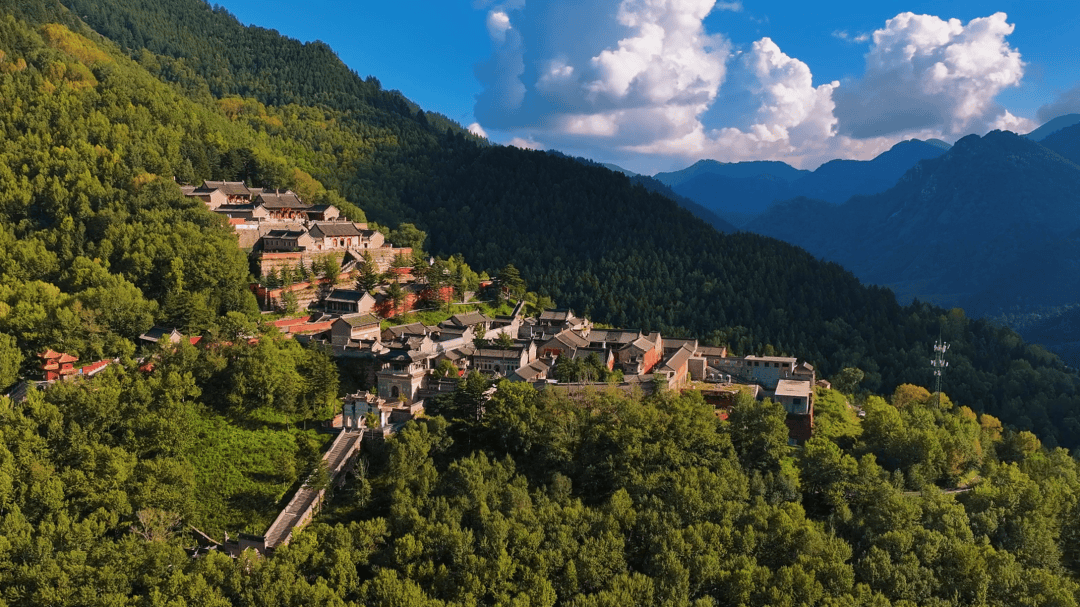
📍Location: Northern China’s Shanxi Province, with peaks reaching up to 3,061 meters above sea level
🟡Associated Bodhisattva: Manjushri Bodhisattva (symbolizing “wisdom,” regarded as the “Eastern Master of Wisdom”)
✨Must-see highlights:
- Home to 78 ancient temples over a thousand years old—the most famous, Xiantong Temple, was built during the Eastern Han Dynasty, 200 years earlier than the Roman Colosseum!
- A summer average temperature of 18°C makes it a perfect retreat from the heat; catch an incredibly soothing sunrise over sea of clouds at East Peak Summit 🌅
- Experience a “Zen Tea Ceremony”—learn tea brewing from monks and immerse yourself in the slow-paced Eastern lifestyle
2. Mount Putuo (Zhejiang) | Island of Compassion 🌊
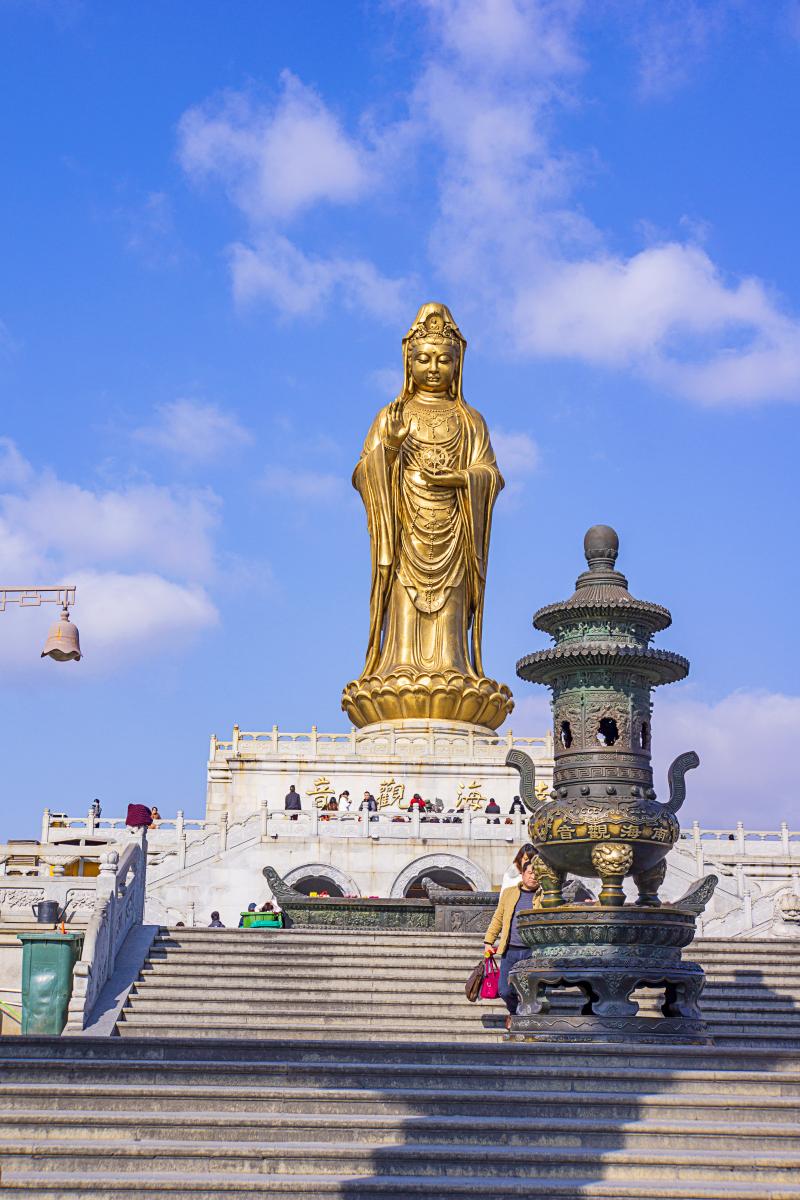
📍Location: Zhoushan Archipelago in eastern China—a mountain floating on the sea!
🔵Associated Bodhisattva: Guanyin Bodhisattva (symbolizing “compassion,” representing “boundless kindness and aid”)
✨Must-see highlights:
- Surrounded by seawater, walking along Qianbu Beach lets you visit temples while listening to ocean waves—pure “island Zen” vibes 🌴
- Puji Temple, known as the most spiritually powerful temple, features the iconic Duobao Pagoda—perfect for photos, especially bathed in golden sunset light!
- Take a boat to nearby Mount Luojia, said to be where Guanyin Bodhisattva practiced meditation—you’ll pass small fishing boats along the way
3. Mount Emei (Sichuan) | Peak of Great Conduct 🐒
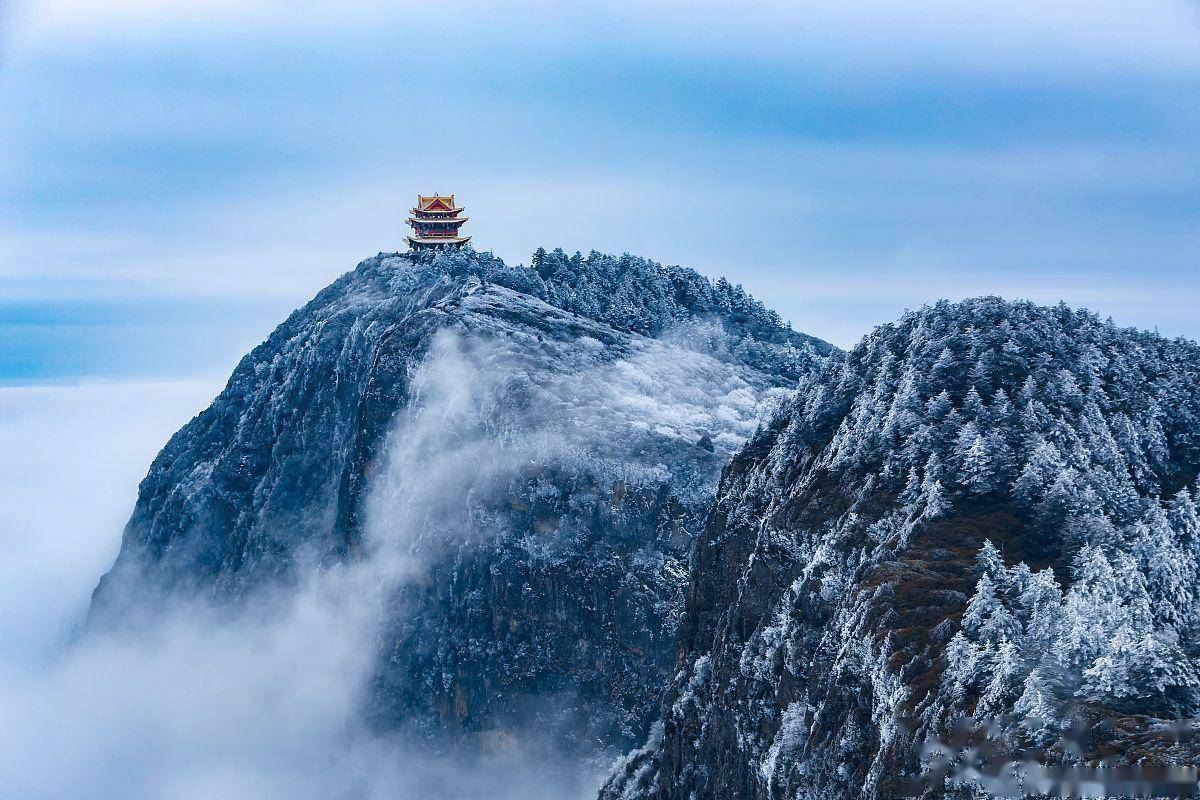
📍Location: Southwestern China’s Sichuan Province, near the Giant Panda Base!
🟢Associated Bodhisattva: Samantabhadra Bodhisattva (symbolizing “action,” representing “spreading kindness through deeds”)
✨Must-see highlights:
- The 48-meter-tall Golden Buddha atop Golden Summit gleams brilliantly in sunlight on clear days, making the entire summit sparkle ✨
- Adorable wild monkeys roam the trails—they’ll follow tourists hoping for snacks (remember to buy special monkey food; don’t feed them human food!)
- Wake up at 5 a.m. to hike Wanfo Summit for sunrise—the sea of clouds beneath your feet looks like cotton candy, and if you’re lucky, you might witness the “Buddha’s Light” (a colorful halo formed by sunlight)
4. Mount Jiuhua (Anhui) | Mountain of Vow ⛰️
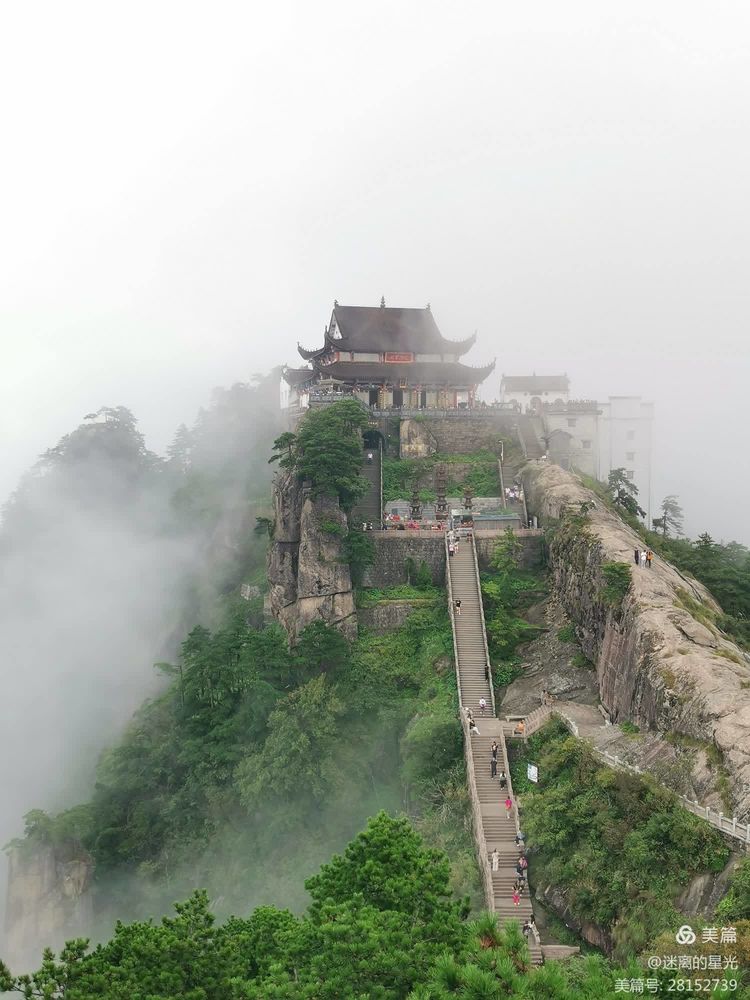
📍Location: Eastern China’s Anhui Province, near Huangshan Mountain (yes, the one famed for its peculiar pines and bizarre rocks!)
🟣Associated Bodhisattva: Ksitigarbha Bodhisattva (symbolizing “unwavering vows,” representing “perseverance and unyielding faith”)
✨Must-see highlights:
- The Corporeal Relic Hall houses the miraculously preserved physical body of a Tang Dynasty monk—untouched by decay for over a millennium, a true wonder of Buddhist culture
- Numerous “Zen-inspired guesthouses” offer experiences like sutra copying (writing Buddhist scriptures with a brush) and meditation—and stargazing at night ✨
- Autumn is stunning! Fiery red maple leaves blanket the mountains, contrasting beautifully with the yellow temple walls—photos here look like oil paintings
💡 Travel Tips:
- Altitudes vary across the four mountains. Wutai and Emei see snow in winter (Dec–Feb)—pack warm coats! Putuo and Jiuhua are most pleasant in spring and autumn (Apr–May / Sep–Oct).
- Remember to remove your hat and speak softly when entering temples—respect local customs.
- Sightseeing shuttles operate on every mountain, so you don’t need to hike the whole way—easy access even if you’re not super fit!
These four mountains aren’t just religious sites—they’re perfect blends of nature and culture! Which one would you most like to visit first to experience Eastern Zen? Share your thoughts in the comments below! 👇