Fuyan Mountain, a gem of Weifang, the “City of Eagles,” is renowned for its unique volcanic landform and ever-changing natural wonders across the seasons. Its main body is a solidified lava plateau formed by the eruption of Neogene volcanoes, dotted with strange rocks and peaks, and honeycomb-shaped volcanic rock pillars, resembling a solidified earth epic. Ascending to the main peak, you can take in the entire Weifang Plain, with the city walls spread out like a chessboard, and rivers winding around like jade ribbons, appearing even more ethereal in the misty clouds. In spring, the Rhododendron Valley bursts into bloom, with countless acres of vibrant pink resembling clouds; in autumn, the forests are ablaze with color, with maple leaves like flames, harmonizing beautifully with the rust-red hues of the volcanic rock. Winding trails snake through the mountains, and observation platforms are located at altitudes of over 1,000 meters, making it a superb place to view cloud seas and sunrises.
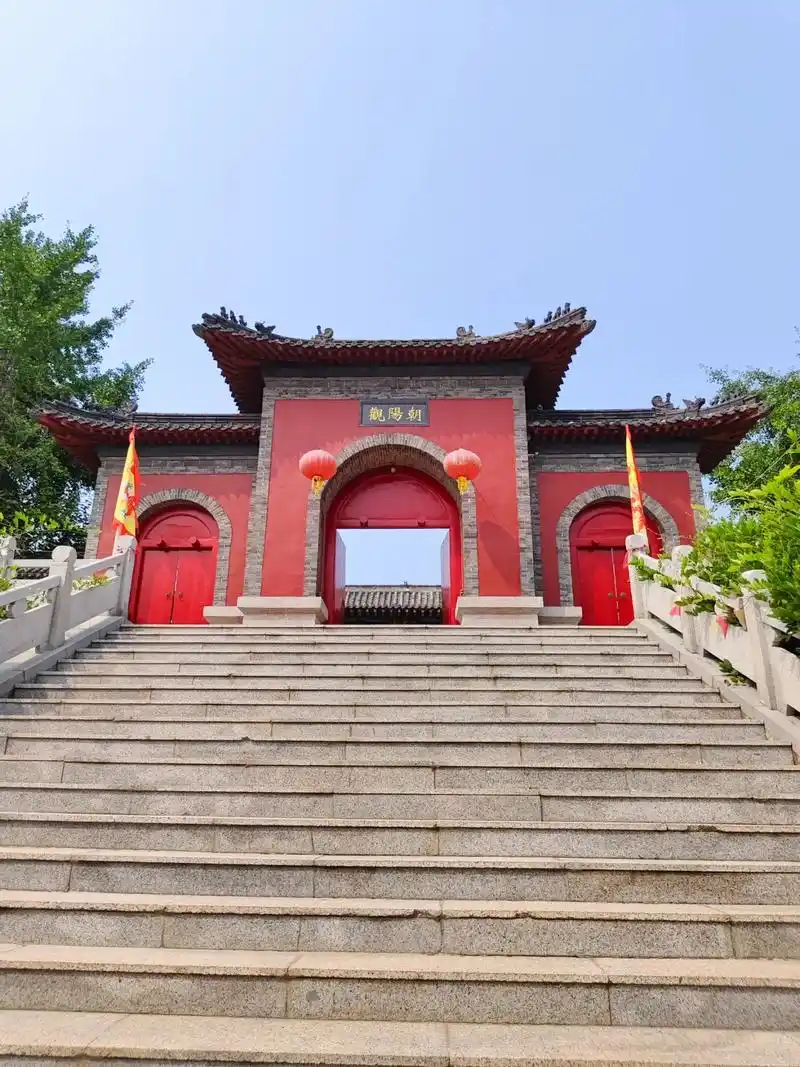
The core of the scenic area includes the Volcanic Geological Park, Rhododendron Valley, Red Maple Forest Area, and Cloud Sea Observation Platform. The honeycomb-shaped volcanic rock pillars formed approximately 1.8 million years ago, and their unique structure and conical shape are a geological wonder. The Rhododendron Valley is planted with dozens of rare varieties, with a flowering period lasting for two months, and its fragrance permeates the air. The Red Maple Forest Area is dominated by maple and witch hazel trees, with the entire mountain ablaze with color in autumn. The ancient temple ruins along the mountain ridge and the cliff carvings record a millennium of cultural heritage.
Fuyan Mountain has long been a place for poets and writers to compose verses. Ming Dynasty poet Li Planong [Ming Dynasty Writer] left the famous quatrain “Floating smoke, layered peaks, blending with azure sky” here. Qing Dynasty calligrapher He Shaoqi [Qing Dynasty Calligrapher] also left countless inscriptions. The mountain is rich in minerals, which has produced unique hot spring resources, historically known as “Fuyan Hot Springs,” and legend has it that it healed many emperors. This volcanic relic not only records the earth’s vicissitudes of life but also carries the poetic residence of Chinese civilization.