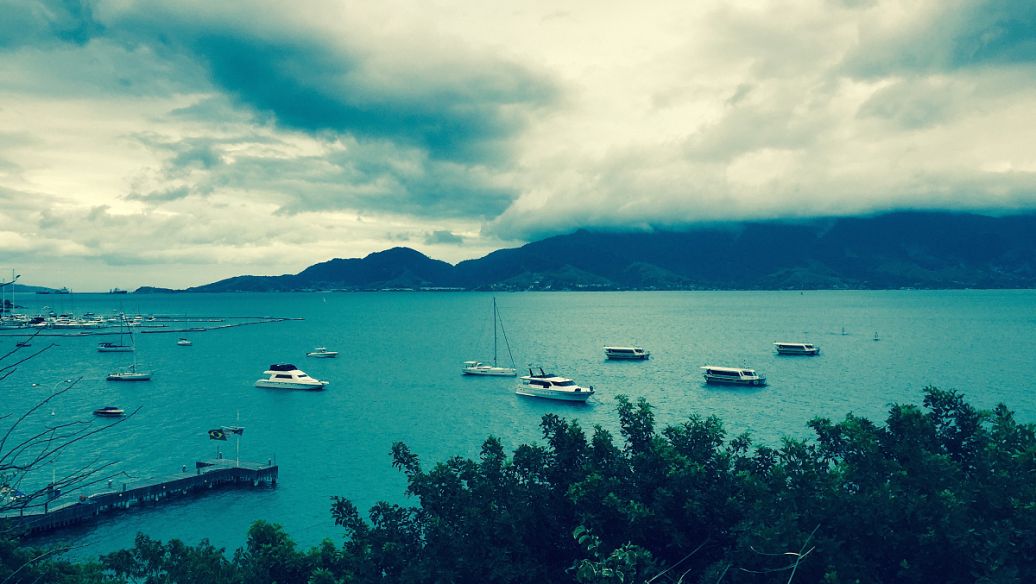
Dongshan Island, like a sapphire embedded in the Fujian Sea, boasts turquoise waters and a ten-mile stretch of white sand beaches, creating a natural watercolor painting. Tidal shifts reveal rocky formations resembling giant sea creatures, with waves crashing against coral reefs, scattering shimmering white fragments. Traditional fishing houses with rising smoke, fishing boats returning with strings of seashells, and the sea breeze infused with salty poetry. The peaks of Su Feng Shan and Dong Men Yu face each other, with the Su Feng Shan lighthouse, a Qing Dynasty navigational landmark, guiding merchant ships home. The "Dongshan Bay" in the mountain's foothills creates a natural swimming pool during tidal changes, its turquoise waters reflecting the sky. Dong Men Yu’s “Dongshan Fishing Port” preserves the most original fishing village style, with nets drying in the wind on stone piers, and the fishermen’s songs sung in Minnan dialect, creating a long, beautiful verse. Dongshan Island was a key resistance base during the late Ming and early Qing dynasties, with ancient fortress ruins and the “Dongshan Fishing Family” along the tidal zone telling the story of the Maritime Silk Road. The island’s unique “shell sand beach” is formed by tidal action, and on sunny days, sunlight refracts through the sea, creating a rainbow of light, like scattered diamonds. The Fishing Village Museum houses aged fishing tools and ancestral navigation charts, silently guarding the island’s thousand-year history.