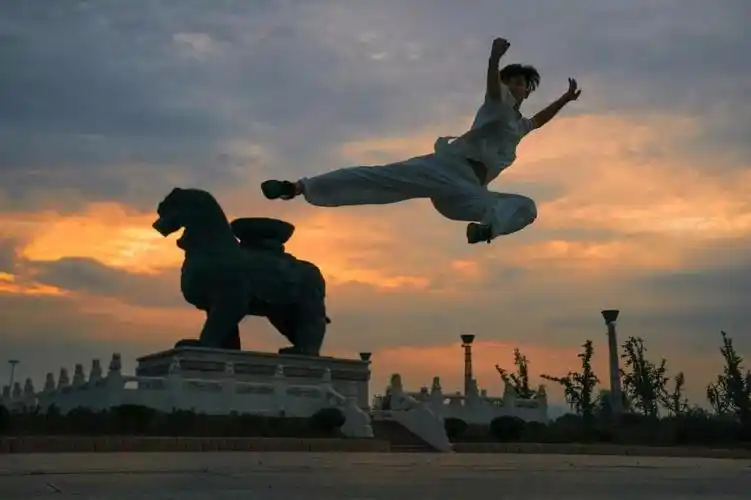
The Cangzhou Martial Arts Museum, located in Cangzhou City, Hebei Province, is a vital center for preserving and transmitting Chinese martial arts culture. Renowned for its distinctive traditional styles such as Bajiquan (Eight Extremities Fist) and Cangzhou Fast Wrestling, the museum showcases the dynamic harmony of hardness and softness that defines Chinese martial aesthetics.
Key areas within the museum include a martial arts plaza, a historical exhibition hall, and a live training ground. Visitors can personally participate in martial arts classes, experiencing the fierce power of Bajiquan and the swift agility of Cangzhou Fast Wrestling. The museum’s collection features Qing dynasty martial weapons, handwritten martial manuals from various dynasties, and historical records documenting Li Zicheng—the late Ming peasant uprising leader—who once trained here, blending historical depth with authentic combat spirit.
Cangzhou’s martial arts tradition originated during the Ming and Qing dynasties. Due to its location amid waterways, local practitioners historically incorporated water-based training methods, developing the unique philosophy of “overcoming skill with sheer power.” Within the museum, the specially designed “Wude Hall” (Hall of Martial Virtue) uses interactive exhibits to recount legendary tales of Cangzhou martial masters like Huo Yuanjia, highlighting the profound connection between martial ethics and patriotism.
Outside the museum, a reconstructed complex of traditional-style buildings replicates the appearance of Qing-era martial arts schools. Visitors can stroll along cobblestone paths, watch morning training sessions, listen to masters imparting techniques through oral instruction, and immerse themselves in the timeless principle: “Cultivate virtue before mastering martial arts.” More than just a showcase of martial techniques, this site vividly embodies China’s martial spirit and regional cultural heritage.