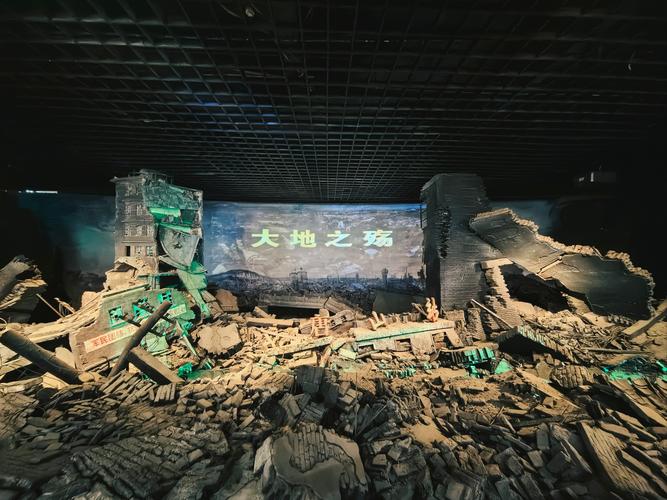
The Tangshan Earthquake Memorial Hall, located in the heart of Tangshan, Hebei Province, stands as a poignant tribute to the catastrophic 1976 Tangshan earthquake—a magnitude 7.8 event that struck without warning and killed more than 240,000 people, making it one of the deadliest earthquakes in modern history. The memorial hall, built in 1995, combines architectural solemnity with emotional storytelling: exhibits include personal artifacts, photographs, survivor testimonies, and reconstructed scenes from the disaster. Its design features a massive stone monument symbolizing both loss and renewal, while the surrounding park includes a 'Silent Square' where visitors can reflect quietly. The hall not only honors the victims but also celebrates the city’s remarkable recovery—Tangshan was rebuilt within a decade, becoming a model for urban resilience. Visitors are encouraged to spend at least 1–2 hours exploring the museum, attending guided tours (available in English), and watching a short documentary that vividly captures the human stories behind the statistics. Culturally, the site emphasizes themes of remembrance, community strength, and the importance of disaster preparedness—making it essential for anyone seeking to understand China’s social memory and post-disaster transformation.