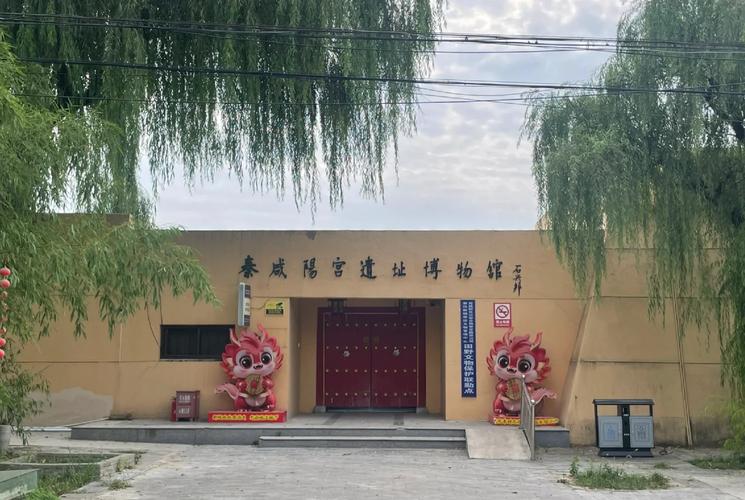
Located in Xianyang, the capital of the Qin Dynasty (221–206 BCE), the Xianyang Palace Ruins are one of China’s most important archaeological sites. Once the political and cultural heart of the unified Chinese empire, the palace complex was built under Emperor Qin Shi Huang to symbolize imperial power and centralized authority. The ruins reveal remnants of vast halls, ceremonial grounds, and intricate stone carvings that reflect the advanced engineering and artistic sophistication of the era. Visitors can explore reconstructed sections and museum exhibits that detail the palace's role in shaping early Chinese governance, legal systems, and infrastructure—such as the standardization of weights, measures, and writing. The site is especially compelling for history enthusiasts, offering insights into how the Qin Dynasty laid the foundation for modern China. For an immersive experience, it is recommended to visit during spring or autumn when the weather is pleasant, and to pair your visit with a trip to nearby Terracotta Warriors Museum. Cultural highlights include the symbolic layout of the palace reflecting feng shui principles and the integration of Confucian and Legalist philosophies in its design. This site stands not only as a monument to imperial ambition but also as a testament to China’s enduring legacy.