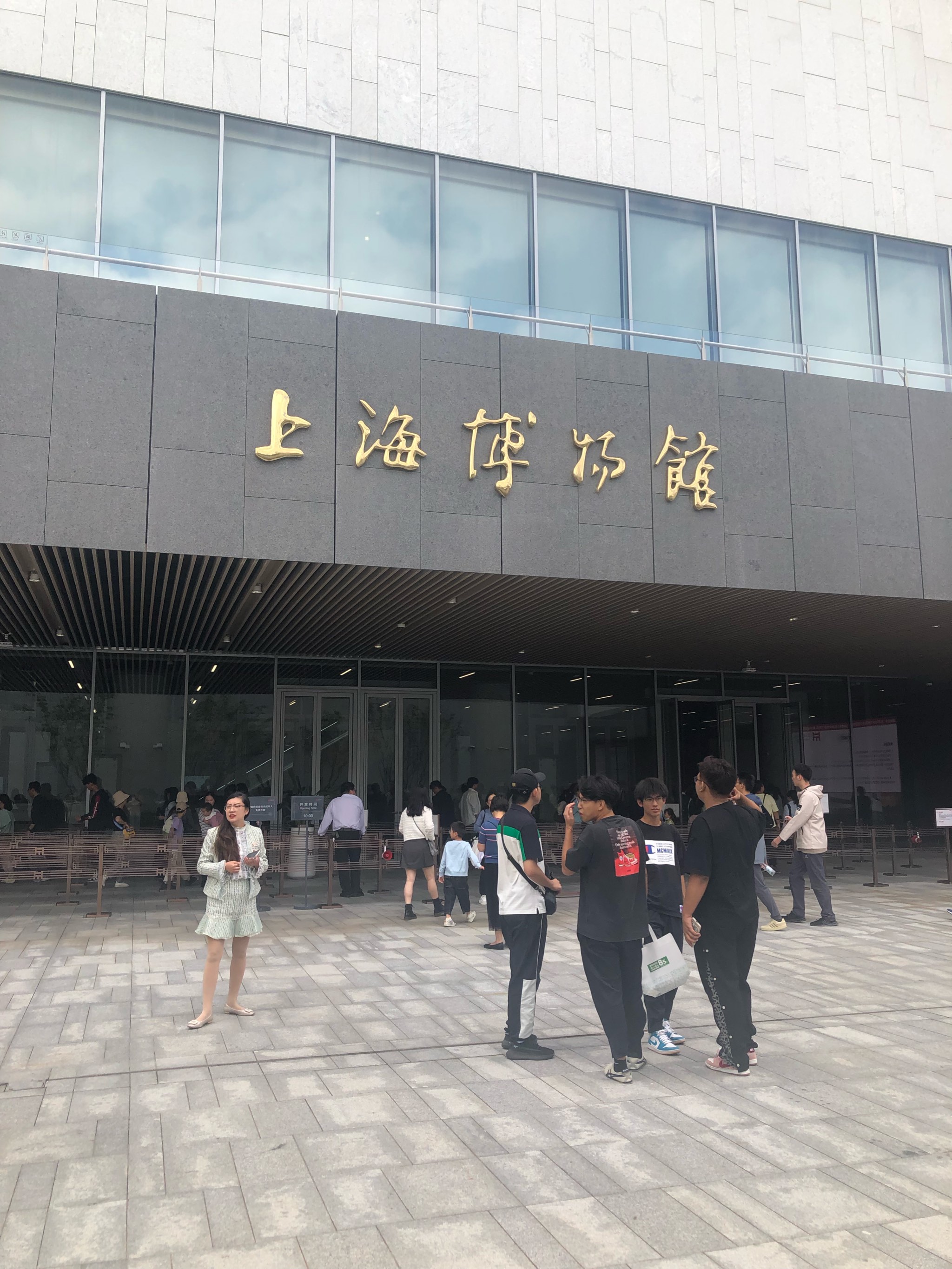
The Shanghai Museum is a temple of civilization that brings together ancient bronzes, ceramics, and calligraphy-paintings under one roof. Its architecture blends traditional upturned eaves with modern glass curtain walls, resembling a waystation transcending time and space. Inside, the Da Ke Ding—a magnificent bronze vessel—bears inscriptions chronicling the achievements of Duke Mao, a high-ranking minister of the Western Zhou dynasty. The taotie motifs on its belly seem to unfold in the play of light and shadow, as if narrating the ritual elegance and musical refinement of three millennia ago. The sword of King Goujian of Yue, ruler of the late Spring and Autumn period, still gleams with its ancient bluish luster; the patterns on its guard subtly mirror celestial configurations, bearing witness to the heroic yet tragic saga of Yue’s rise. In the Calligraphy and Painting Gallery, a traced copy of Wang Xizhi’s (the Eastern Jin dynasty’s master calligrapher) "Preface to the Orchid Pavilion" flows with ink that captures the spirit of the Wei-Jin era, crystallizing its grace into eternal poetry. Within the Ceramics Gallery, the glazes of Tang Sancai shimmer like fallen stars, while the crackled glaze of Song dynasty celadon reveals artisans’ reverence for nature. The museum’s permanent exhibition, “Ancient China,” traces the chronology of Chinese civilization, where the fierce grandeur of bronzes, the gentle warmth of porcelain, and the ethereal grace of calligraphy and painting illuminate one another across the river of time. Established in 1959, this cultural landmark is far more than a display hall for artifacts—it is a decoder of the Chinese civilizational genome, transforming each exhibit into a key unlocking the doors to history.