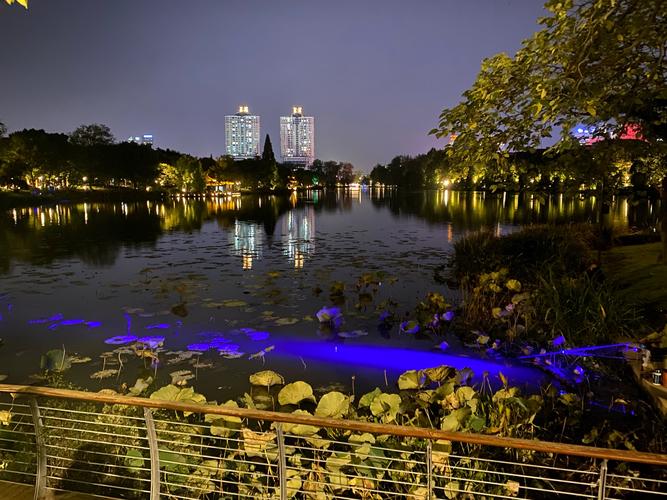
Hou He, the Mother River of Nantong, meanders through the city like a silk ribbon, reflecting the millennium-old cultural heritage. Along the banks, lush greenery and over 20 ancient bridges create a picturesque scene. The river is divided into east and west branches, connecting Wolf Mountain and Junsan, and passing through Wenfeng Tower and Nantong Museum. Wolf Mountain was formerly known as “The First Peak of South Sea,” with the Dinghui Temple bells harmonizing with the river. Junsan, known as “The Gateway to the Sea and River,” witnessed the glory of the Maritime Silk Road. Beneath Wenfeng Tower, Zhang Lu, a prominent industrialist of the late Qing Dynasty, would gaze at the river. Zhang Lu oversaw the construction of the Hou He embankment, which still retains the stone carvings of the Republic of China era. Hou He embodies the essence of Nantong’s “River and Sea Culture,” serving as an inspiration for writers and artists. During the Ming Dynasty, writer Wang Shizhen would take a boat and compose poems, while Qing Dynasty painter Li Ged created “Boating on Hou He.” The river holds ancient stone carvings and inscriptions from the Song Dynasty and the Ming Dynasty, recounting the glory of “Nantong County, Connected to the Sea and River.” A ride on a wooden punt boat allows you to experience the charm of the water town and touch the city’s cultural roots.