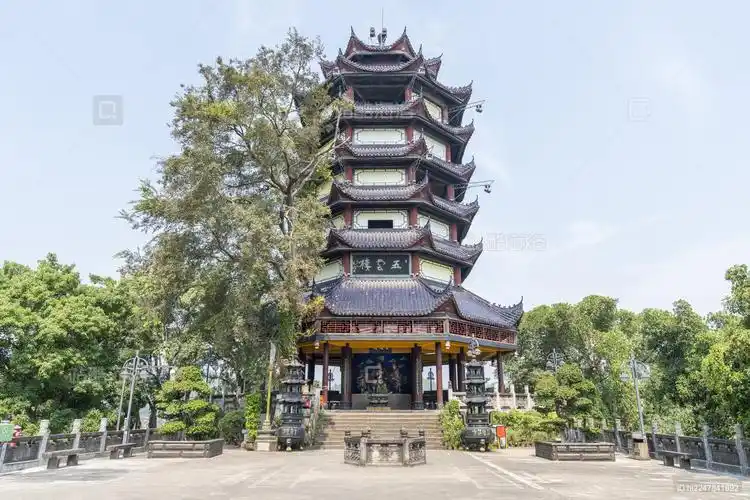
The Wuyun Building, located on the scenic Mount Wudang in Hubei Province, China, is one of the most revered Taoist temples in the country. Built during the Ming Dynasty (1368–1644), it was originally constructed to honor the deity Zhang Sanfeng, a legendary figure associated with the founding of Tai Chi and the Taoist martial arts tradition. The building’s name, 'Wuyun,' means 'Five Clouds,' symbolizing the five elements—wood, fire, earth, metal, and water—that are central to Taoist cosmology. Its elegant wooden architecture, adorned with intricate carvings and traditional Chinese roof designs, blends seamlessly into the mountainous landscape, reflecting Taoist principles of harmony between humans and nature. Visitors can explore the temple's inner sanctum, where ancient scriptures and ritual artifacts are preserved, and witness daily ceremonies that maintain centuries-old spiritual practices. The surrounding area offers hiking trails leading to other historic sites such as the Purple Cloud Temple and the Golden Summit. For travelers seeking cultural immersion, the Wuyun Building provides not only architectural beauty but also profound insights into Taoist philosophy, meditation, and the pursuit of balance in life. It is especially recommended to visit during sunrise or early morning when the mist rises from the mountains, enhancing the ethereal atmosphere of this sacred site.