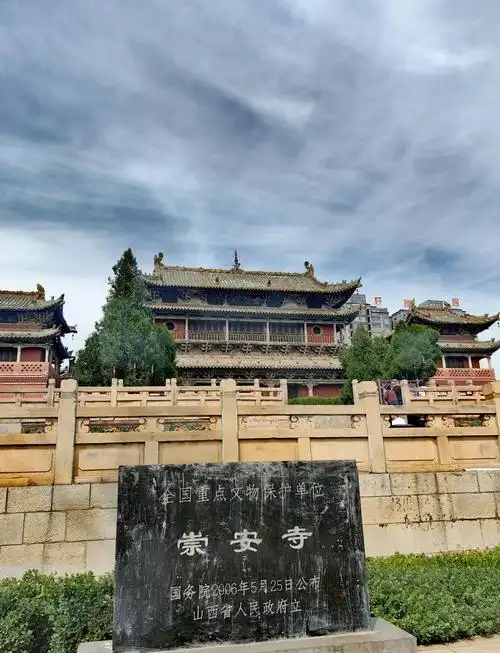
Wuxi's Chong'an Temple is a commercial sanctuary transcending time, seamlessly blending the elegance of the Ming and Qing dynasties with modern vibrancy. Beneath the shade of towering plane trees, rows of arcade buildings clad in grey tiles and dark bricks stretch gracefully; the air wafts with mingled aromas of tea and coffee drifting from intricately carved windows and doors. Traditional Suzhou embroidery shops sit side by side with trendy cultural-creative boutiques, creating a captivating dialogue between past and present. Before the ancient opera stage, the melodic strains of Pingtan storytelling interweave with contemporary pop-up performances, while narrow alleyways brim with the savory scents of Wuxi’s local delicacies—from flaky suyou qianceng pastries to richly braised pork ribs—each dish a flavorful cipher of the city’s collective memory.
Strolling through these streets, one can savor the legendary tales of the "Three Commercial Giants of Wuxi" and sense the deep affection longtime residents hold for the name "Chong'an." Once hailed as "Wuxi’s premier commercial street," Chong'an Temple earned the saying during the Ming and Qing eras: "In the south, Chong'an; in the north, Huaihai." At the entrance of Gujing Lane, the famed "First Spring of Xishan" still flows with sweet, clear water, bearing witness to gatherings of poets and scholars. Qin Daoshi, a Qing-dynasty zhuangyuan (top imperial examination graduate) native to Wuxi, once studied classics here, and his bold, pine-like calligraphy gracing the "Chong'an Temple" plaque still hangs above the temple’s main gate.
As a living fossil of Wuxi’s commercial culture, Chong'an Temple today presents an "ancient street with a new face," where intangible cultural heritage artisans demonstrate Yixing purple clay pottery and Huishan clay figurine craftsmanship alongside flagship stores of international brands—tradition and modernity dancing together on its cobblestone paths. More than just a shopper’s paradise, it is a three-dimensional textbook for understanding the commercial civilization of Jiangnan.