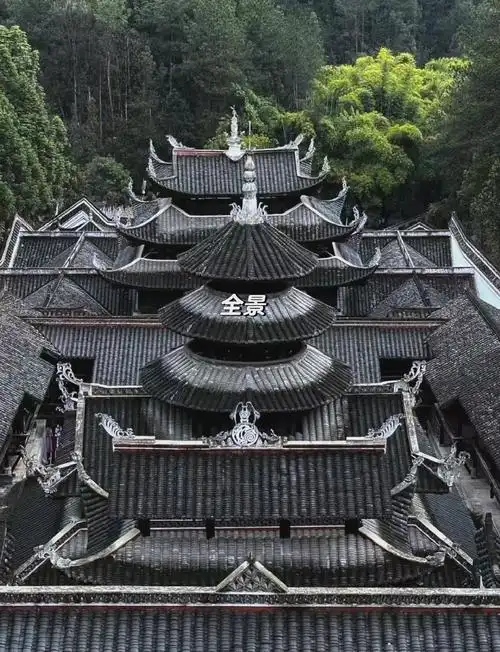
Tusi City in Enshi, located in Hubei Province, is a well-preserved historical complex that reflects the Tusi system—a special administrative framework used by the Ming and Qing dynasties to govern ethnic minority regions. The city was built during the 13th century as a political and cultural center for the Tusi (local chieftains) who ruled over the Tujia and Miao peoples. Its architecture blends traditional Chinese design with local ethnic styles, featuring stone walls, wooden pavilions, and intricate carvings that highlight craftsmanship from centuries ago. Visitors can explore ancestral halls, military compounds, and ceremonial spaces that reveal how power, religion, and daily life intertwined under the Tusi system. The site also offers insights into the rich oral traditions, music, and dances of the Tujia people, such as the famous 'Hundred Drum Dance.' For travelers, it's recommended to visit in spring or autumn when the weather is mild and cultural festivals are often held. Guided tours provide deeper context on the region’s history, while the surrounding mountain scenery adds to the charm. This UNESCO-recognized cultural landscape serves not only as a monument to past governance but also as a living museum of ethnic identity, resilience, and cultural continuity.