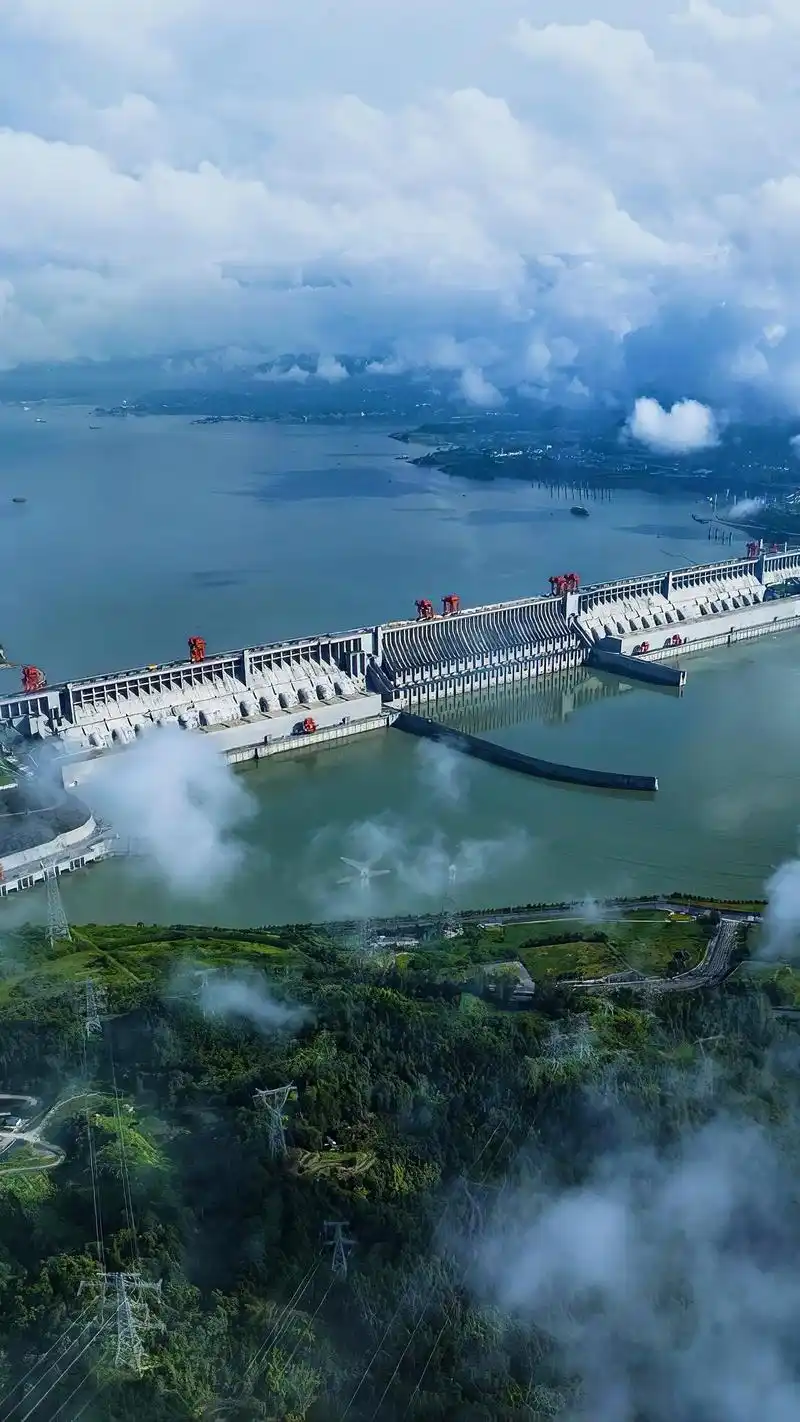
The Three Gorges Dam spans the Yangtze River like a colossal dragon coiled across the water, embodying an epic saga of humanity and nature through its sheer grandeur. As the world’s largest hydroelectric project, the dam required an amount of concrete equivalent to 3,000 Eiffel Towers. Its sophisticated lock system enables 10,000-ton vessels to navigate through the gorges, showcasing the pinnacle of modern engineering ingenuity. From the observation deck atop the dam, the river stretches for miles like a shimmering silver ribbon, flanked by verdant mountains rising like jade screens—an awe-inspiring panorama that stirs the soul.
Key highlights of the scenic area include:
- The panoramic view from the dam-top observation deck;
- The 185-meter-high concrete gravity dam, a marvel of engineering;
- The ship lock system, a testament to navigational innovation;
- The hydroelectric power station, where turbines generate clean energy.
The five-stage ship locks function like giant gates opening and closing, allowing vessels to traverse the gorge and experience the dramatic transformation described in the ancient verse, “The Wu Mountains’ clouds and rains are severed.” The dam-area museum traces China’s water management wisdom from Yu the Great’s flood control efforts in antiquity to contemporary achievements, narrating a millennia-long dream of taming the Yangtze.
This monumental late-20th-century project embodies the sweat and dedication of tens of thousands of workers over a decade of relentless effort. Its construction sparked academic debates—dubbed the “Three Gorges Mystery”—and stirred controversy over ecological impacts. Centuries ago, the Tang poet Li Bai wrote, “At dawn I leave White Emperor City amid rainbow clouds,” while the Song dynasty literary giant Su Shi mused, “The mountains rise high, the moon grows broader.” Today, the dam transforms such poetic visions into reality, infusing the Yangtze’s eternal flow with the pulse of modern civilization. As sunset bathes the structure in golden light, rippling reflections merge with echoes of history—making this site not only a natural wonder but also a powerful symbol of the fusion between Chinese civilization and modern technology.