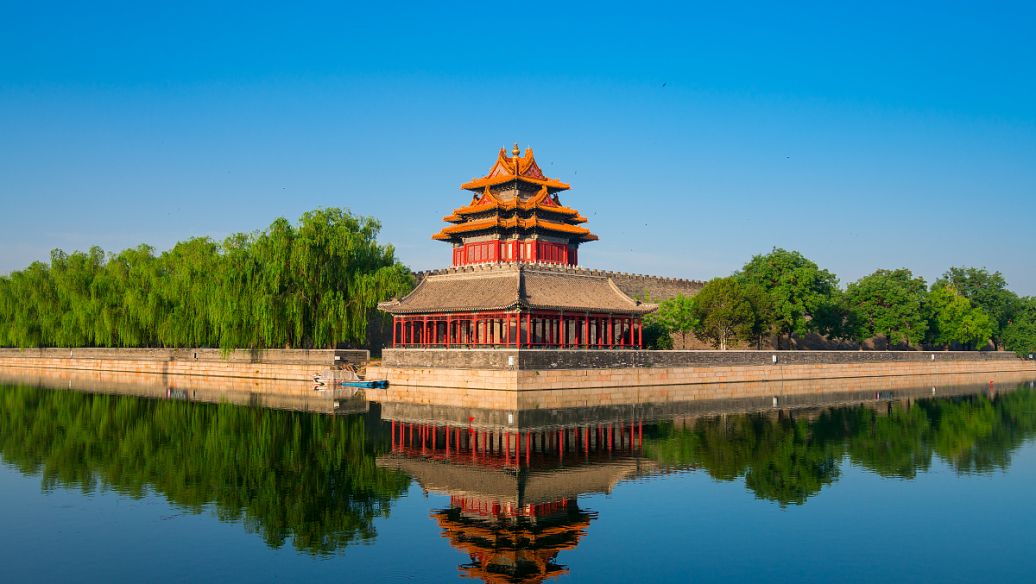
Located in Taipei City’s Xishan District, the Taipei Museum of Fine Arts is based on a Ming and Qing imperial palace architectural complex, condensing thousands of years of Chinese civilization’s accumulated cultural relics and literature into a small space. Entering the museum, the winding garden layout and ornate palace architecture create a fascinating contrast, like a time-traveling corridor, inviting visitors to pause and contemplate. The core exhibition focuses on “A Great Exhibition of Ancient Artifacts,” with the “Jade Cabbage” [Qing Dynasty] and “Mao Gong Ding” [Zhou Dynasty] as its highlights. The Jade Cabbage is meticulously carved with jade leaves and stems, while the white cabbage leaves subtly depict insects, symbolizing the Qing Dynasty’s agricultural-based governance. The Mao Gong Ding features inscriptions totaling 497 characters, a valuable historical document for studying the Zhou Dynasty. The library houses “Journey Through Mountains and Streams” [Northern Song Fan Wu] and “Dwelling in the Fuchun Mountains” [Yuan Dynasty Huang Gongwang], showcasing the artistic landscapes flowing through the brushstrokes, inspiring visitors to immerse themselves in the beauty of the mountains and rivers. This museum, established in 1965 by Chiang Kai-shek [President of the Republic of China], has collected 230,000 artifacts from the relocation of the Beijing Forbidden City, covering categories such as bronze ware, jade ware, ancient books, and calligraphy and paintings. The “I and the World” special exhibition features porcelain and calligraphy commissioned by the Qianlong [Qing Dynasty Emperor] and exotic treasures brought back by Zheng He [Yuan Dynasty Navigator] for his voyages, witnessing the cultural fusion of the Age of Exploration. Each artifact is a historical code, telling the vast and profound story of Chinese civilization, allowing visitors to feel the pulse of civilization in silence.