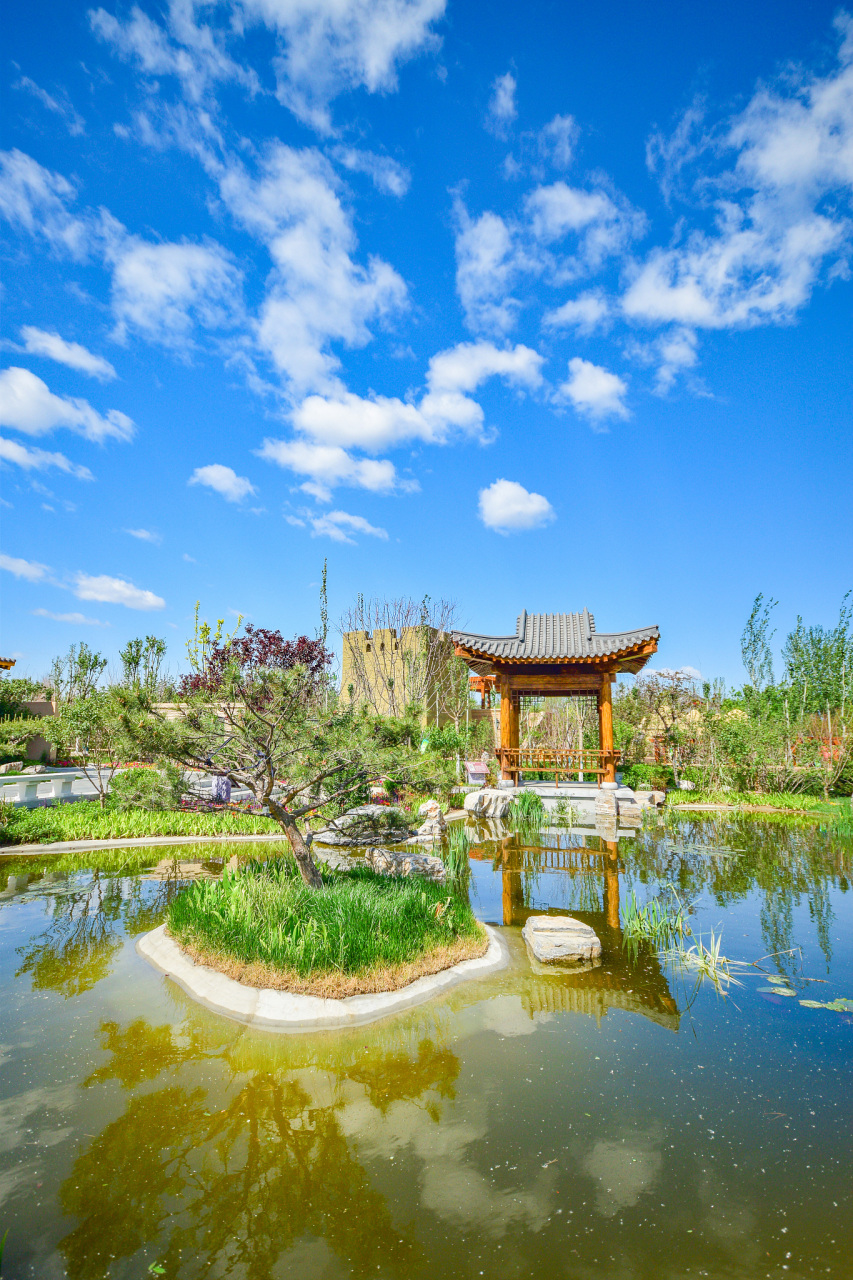
Lanzhou Botanical Garden is located on the banks of the Yellow River, the largest natural plant museum in Northwest China, integrating scientific research, viewing, and ecological education. The park’s design concept is “Silk Road Oasis,” blending the characteristics of the Loess Plateau and desert oases to create a unique natural landscape. Within the Hundred Gardens, you can find over a thousand varieties of flowers such as peonies, tulips, and orchids, blooming in different colors throughout the seasons; in spring, peach and plum blossoms compete for beauty, and in autumn, chrysanthemums bravely face the frost. The Desert Plant Zone is based on sand dunes and gravel deserts, planting drought-resistant plants such as tamarisk and willow trees, recreating the wonder of the Northwest desert ecosystem. The Green Maze is woven with vines and shrubs, creating a mysterious realm with intersecting light and shadow, inviting exploration. The Greenhouse Wonder Zone is divided into three themes: Tropical Rainforest, Desert Plants, and High-Altitude Flowers. Under the glass dome, banana trees and cacti share space, forming a plant symphony across latitudes. - As the first large botanical garden in Northwest China, its history dates back to the garden experiment station during the Republic of China period. It was formally established in 1958. The “Lanzhou Lilies” treasured in the park are known as “Chinese Lilies,” and their shape and fragrance inspired Qing Dynasty poet Zhang Shumei to write poems and praise. The park also has the mission of “Guardian of the Oasis,” through plant introduction and ecological restoration, becoming an important biodiversity protection base along the Yellow River, allowing visitors to feel the grandeur of nature and the resilience of life while admiring flowers and scenery.