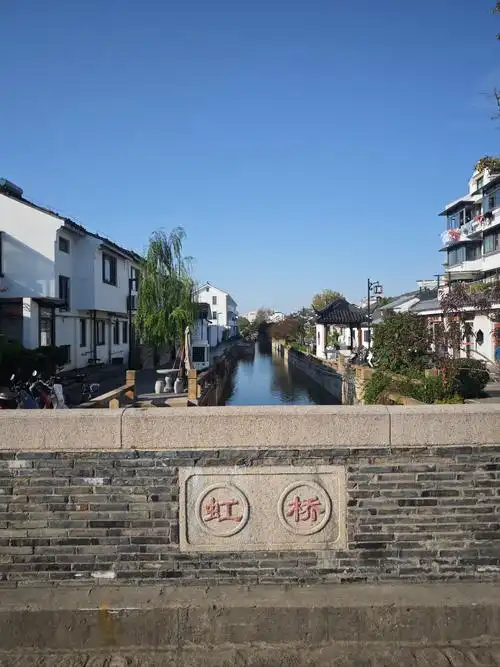
Spanning the Tuo River, Hongqiao Bridge is the most iconic covered wooden bridge in Fenghuang Ancient Town of western Hunan. Its upturned eaves and sweeping rooflines resemble outstretched wings, harmoniously complementing the emerald waters and verdant hills. Built using traditional mortise-and-tenon joinery, the bridge features bluestone-paved walkways and intricately carved beams and pillars on both sides. The woodcarvings blend Miao totemic motifs with Han Chinese architectural artistry, vividly depicting scenes such as "Hundred Birds Paying Homage to the Phoenix" and "Two Dragons Playing with a Pearl"—testaments to a millennium of cultural exchange between the Miao and Han peoples. At each end of the bridge stand two imposing stone lions, standing guard as the gentle murmur of the Tuo River flows beneath, reflecting the silhouettes of stilted houses lining its banks like a living ink-wash scroll.
More than just a vital thoroughfare, Hongqiao serves as a living museum of western Hunan’s folk traditions. During festivals, Miao women adorned in silver ornaments ascend the bridge to the melodic strains of the lusheng (a traditional reed pipe), weaving colorful threads into blessing knots and tying their heartfelt wishes to the bridge’s columns. By the riverside, the “Hongqiao Night Tales” event weaves together ancient Miao songs and Han-style storytelling, recounting the legendary tales of western Hunan immortalized by the modern writer Shen Congwen. A Qing dynasty poet once captured the bridge’s essence in verse: “Hongqiao soars above the jade-green waves; cloud shadows linger by the ancient ferry boats,” perfectly evoking the harmony between this landscape and its rich cultural heritage.
Originally built during the Qing dynasty, this historic covered bridge has weathered centuries of change yet remains steadfast over the Tuo River, bearing witness to the profound integration of Miao and Han cultures in architecture, art, and folklore—and standing today as a powerful symbol of western Hunan’s cultural identity.