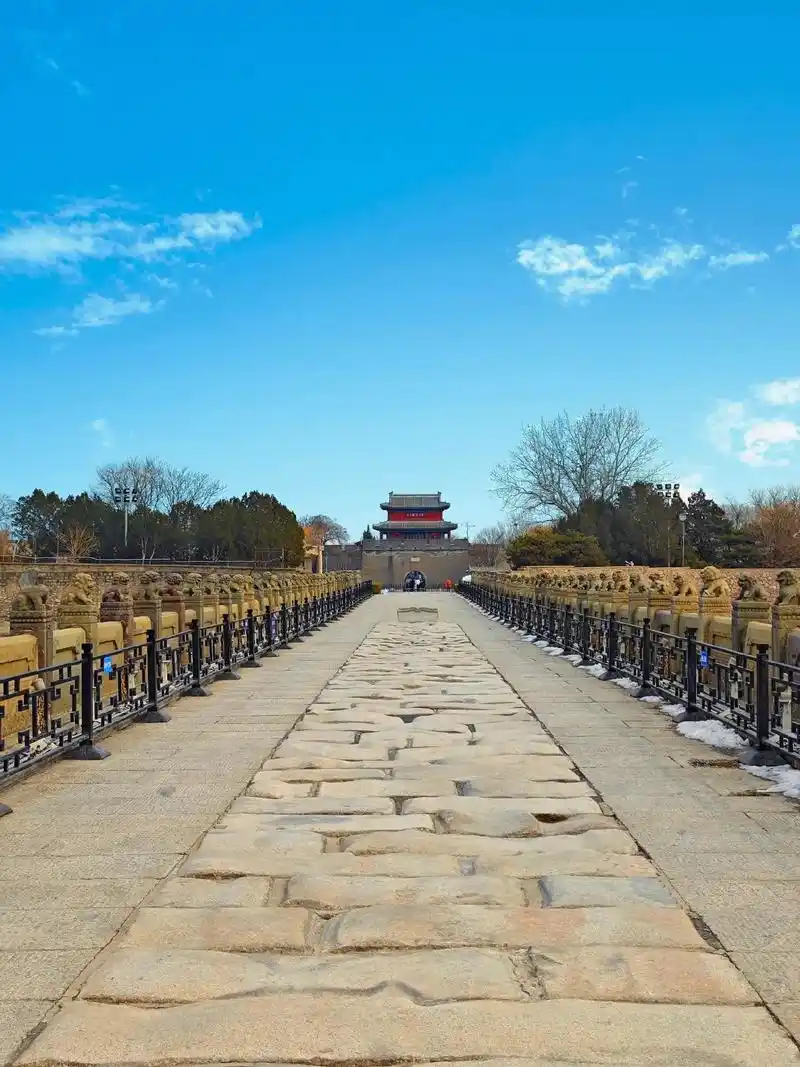
Lugou Bridge, located in the Fengtai District of Beijing, is a magnificent stone arch bridge built during the Jin Dynasty in 1192. It spans the Yongding River and is famous for its elegant design, intricate carvings, and over 480 lion statues that adorn its balustrades—each one unique and symbolizing wisdom, protection, and harmony. The bridge gained international recognition after Italian traveler Marco Polo described it in his travelogue, earning it the nickname 'Marco Polo Bridge.' Historically, Lugou Bridge became a symbol of resistance when the Japanese invasion of China began here in 1937, marking the start of the Second Sino-Japanese War. Today, it serves not only as a monument to ancient craftsmanship but also as a memorial site honoring national resilience. Visitors are encouraged to explore the nearby Lugou Bridge Memorial Hall, which offers exhibits on the bridge’s history and wartime significance. The best time to visit is early morning or late afternoon to avoid crowds and enjoy peaceful views of the river and surrounding gardens. This iconic landmark blends cultural heritage, artistic excellence, and historical gravity, making it a must-see destination for both domestic and international travelers.