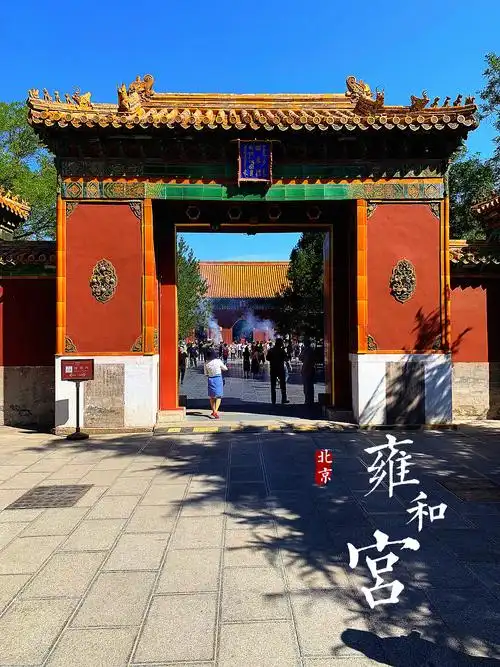
Yonghe Temple, originally built in 1694 during the Qing Dynasty as a palace for Prince Yong (later Emperor Kangxi), was converted into a Tibetan Buddhist monastery in 1744. Located in the heart of Beijing’s Dongcheng District, it is one of the most important Tibetan Buddhist temples in China. The temple complex features exquisite traditional Chinese architecture with intricate carvings, colorful murals, and golden roofs, blending Han Chinese and Tibetan design elements. Highlights include the Hall of the Four Heavenly Kings, the Main Buddha Hall housing a massive statue of Maitreya Buddha, and the Library of Buddhist Scriptures. Visitors can explore sacred relics, attend daily rituals, and learn about Tibetan Buddhism's influence on Chinese culture. The temple also hosts cultural exhibitions and educational programs. For an authentic experience, visit early in the morning to witness monks chanting and participate in meditation sessions. Yonghe Temple stands not only as a place of worship but also as a bridge between Chinese and Tibetan cultures, making it a must-see destination for history enthusiasts, spiritual seekers, and curious travelers alike.