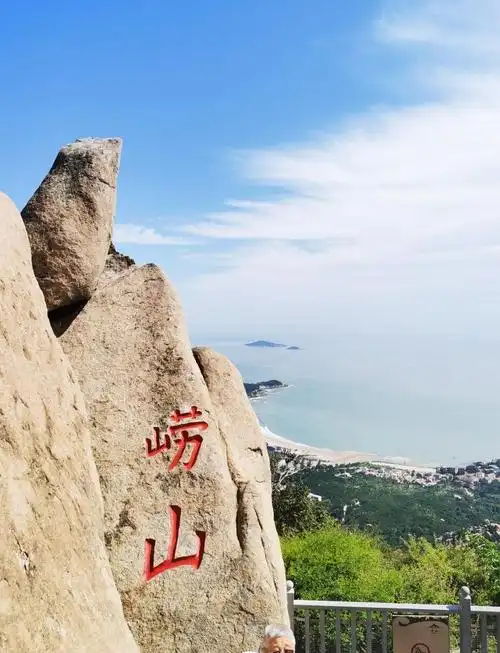
National 5A-Level Scenic Area, known for its majestic landscape of mountains and sea, and Daoist cultural heritage. It is renowned as “Lao Shan,” a mystical mountain paradise. Featuring a blend of natural wonders and profound Daoist culture, with over 1400 sites, including misty peaks, deep valleys, and unique coastal formations. Key areas like Yangkou Scenic Area are famous for “Lao Shan’s First Wonder,” with the towering peak [Altitude 1132.7 meters]; Taqing Palace, as the origin of Daoism on Lao Shan, retains Tang Dynasty architectural remains, with ancient pines and a long Daoist tradition; Huayan Temple is known for “Temple in the Sea,” with its curved roofs reflecting on the blue waves, echoing with ancient temples in the mountains. The Beijiu River Scenic Area features nine streams flowing through valleys, with waterfalls and rocks creating a beautiful scene, known as “Nine Rivers Through Clouds.” Lao Shan Daoism originated in the Qin and Han Dynasties, flourished in the Tang and Song Dynasties. Zhang Lianfu [Daoist in the Yuan Dynasty] once built a hermitage here, establishing the Lao Shan School; Li Bai [Tang Dynasty Poet] climbed and wrote poems about “Lao Shan Reflecting the Red Sun,” giving it a mythical mountain image. During the Ming and Qing Dynasties, Liu Guoyu [Scholar in the Qing Dynasty] established a Daoist academy here, inheriting metaphysics. During the War of Resistance Against Japan, Lao Shan became an anti-Japanese base, and the descendants of Qi Hu [Hero in the Ming Dynasty] organized armed forces here, leaving a mark of fire. This place is a double wonder of nature and humanity, carrying on the eternal pursuit of Heaven and Earth.