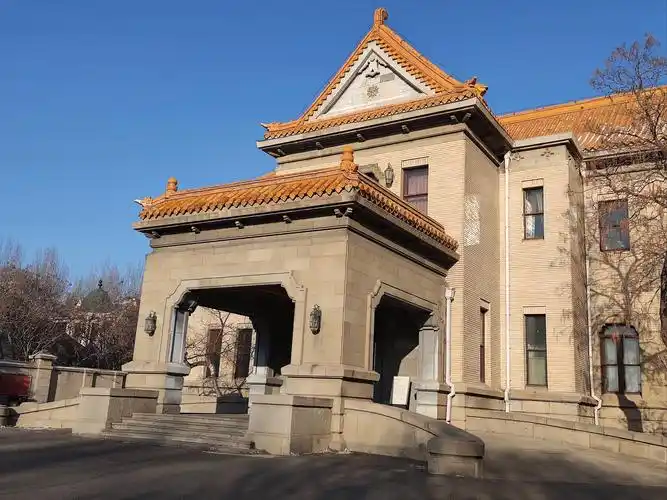
The Imperial Palace Site of the Puppet Manchukuo Government is located in Changchun, serving as the former residence of Puyi, the last emperor of the Qing Dynasty, after his abdication. It stands as the only complete surviving complex of the imperial palace from the puppet state of Manchukuo, a Japanese-controlled regime established in Northeast China during the 1930s and 1940s. The site showcases a unique blend of Chinese and Western architectural styles—red walls and yellow glazed tiles harmonize with European-style columns and arched corridors, creating a striking visual contrast that reflects the era’s political complexities. The preserved structures include the Jixi Hall (a ceremonial hall), the Imperial Garden, and the Emperor’s Private Chambers, each meticulously maintained to reflect their historical function. Every stone, tile, and carved beam tells a story—of power, exile, occupation, and resilience. Visitors can explore the original furnishings, personal artifacts, and detailed interiors that offer insight into the daily life of the imperial family under foreign control. This historic site not only serves as a museum but also as a poignant reminder of modern Chinese history, making it an essential destination for those interested in 20th-century East Asian politics and cultural heritage.