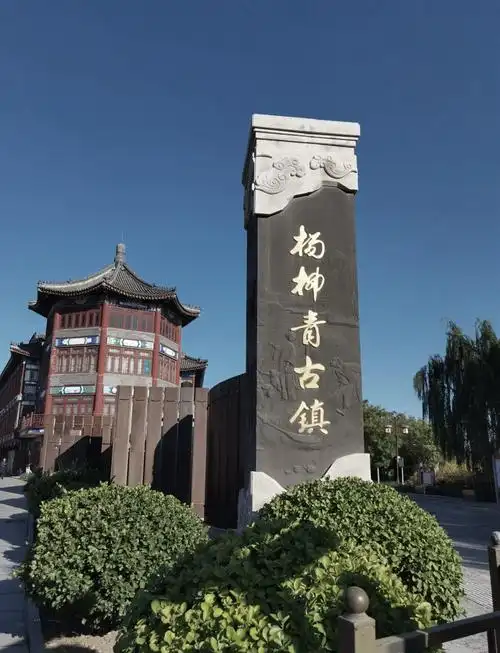
Nestled along the Chishui River in Zunyi, the ancient village of Yangliuqing is a rare living fossil of Ming- and Qing-dynasty architecture in northern Guizhou. Cobblestone lanes wind like silken ribbons through the village, while timber-framed houses are arranged in harmonious disorder. Intricately carved window lattices and brick-relief gateways whisper tales of master craftsmen’s ingenuity, and moss-covered walls interwoven with the marks of time evoke a tranquil sense of bygone eras. The village is renowned for its traditional layout of “three courtyards surrounding a central screen wall,” and beneath the upturned eaves of horse-head gables hang wind chimes that tinkle softly in the breeze, echoing melodies of antiquity.
Key highlights include the Yang Clan Ancestral Hall, originally built during the Qianlong reign of the Qing dynasty; its main hall bears the plaque “Dunben Tang,” inscribed by Yang Tinghuai, a Qing-era provincial graduate. Well-preserved clusters of siheyuan (courtyard houses) feature breezy corridors where air flows gently through central courtyards, and creaking wooden staircases seem to carry echoes from centuries past. Deep within the village lies the ancient “Longxian Spring” well, still gushing clear water; carved boldly into the well’s stone platform are the four characters “Yin Shui Si Yuan” (“When drinking water, remember its source”).
Every year on the fifteenth day of the first lunar month, villagers continue the age-old tradition of “Da Shehuo” festivities: bare-chested men dance with dragon lanterns, and the blaring suona horns shake snow from rooftops.
Historically a vital trade route between Sichuan and Guizhou, Yangliuqing once bustled with merchants during the Ming and Qing dynasties, leaving behind legends of “hoofbeats echoing on cobblestones.” The Qing poet Zheng Zhen once resided here, and his poem “Yangliuqing” captures the village’s charm with the line, “Willow threads dip in water to write traces of spring.”
More than just an architectural treasure, Yangliuqing serves as a living museum of northern Guizhou’s folk culture, preserving intangible heritage crafts such as Miao silver-smithing and traditional papermaking—keeping time flowing gently among its white walls and grey tiles.