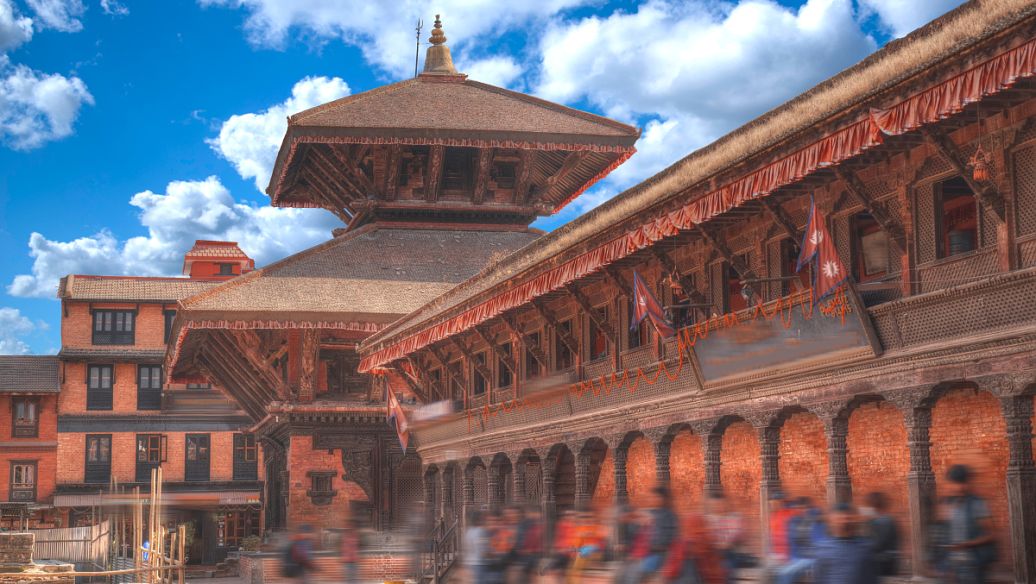
Ta'er Temple, also known as Labrang Monastery in some contexts but specifically referring to the famous site in Xining, is one of the most significant Tibetan Buddhist temples in China. Established in 1560 during the Ming Dynasty, it was originally built by the Mongol prince Altan Khan and later expanded by Tibetan monks. The temple complex features exquisite murals, golden stupas, chanting monks, and sacred relics, reflecting centuries of Tibetan Buddhist culture and artistry. Visitors can witness traditional rituals such as butter tea preparation, prayer wheel spinning, and monastic debates—key elements of Tibetan spiritual life. The temple’s layout follows strict architectural principles aligned with Vajrayana Buddhism, emphasizing harmony between nature and spirituality. Travelers are advised to visit early in the morning to experience the peaceful ambiance and participate in morning prayers. Respectful attire (covering shoulders and legs) and silence during ceremonies are essential. Ta'er Temple is not only a place of worship but also a living museum of Tibetan heritage, offering deep insights into philosophy, art, and community life in the Himalayan region.