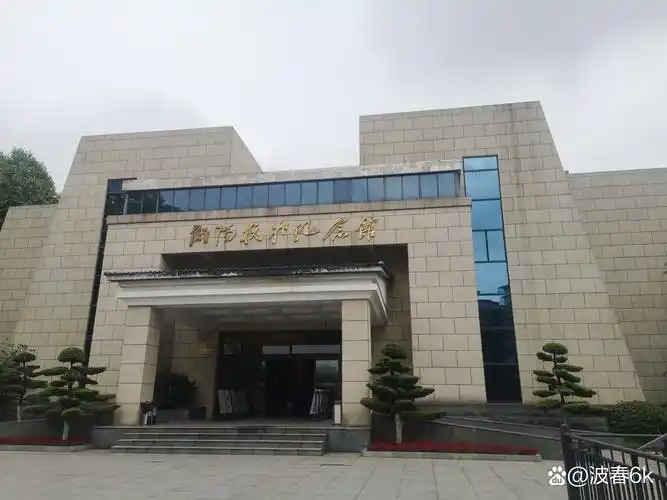
The Hengyang Defense Battle Memorial is located in the ancient southern Hunan city of Hengyang, immersively recreating the harrowing saga of the 1944 Battle of Hengyang (often mistakenly referred to as the 1941 Southern Hunan Campaign). Through over 3,000 historical artifacts, a 2,000-square-meter full-scale battlefield reconstruction, and a 4D cinematic theater, the memorial establishes a powerful dialogue across time with history.
Upon entering, visitors are instantly transported back to that blood-soaked summer of 1944: shattered trenches, rusted machine guns, and yellowed casualty lists evoke the brutal reality of the battle. Under the command of General Xue Yue of the National Revolutionary Army, the Tenth Army valiantly held their ground, using their very bodies to forge an iron defense against relentless Japanese assaults.
The centerpiece exhibition, "Echoes from Scorched Earth," features a life-sized battlefield replica where dust swirls amid the clatter of Japanese tank treads and the thunder of artillery. Visitors can touch fragments of city walls riddled with bullet holes. The weaponry display showcases Czech-made machine guns, German artillery shells, and captured Japanese regimental banners—silent witnesses to the soldiers’ solemn vow: “We will live or die with our positions.”
A specially dedicated “Wall of Letters Home” inscribes 127 letters written by fallen soldiers to their families, among them blood-written oaths declaring, “Rather die than surrender,” which deeply move all who read them.
As a pivotal engagement on the main front of China’s War of Resistance, this 47-day battle shattered Japan’s arrogant boast of conquering China within three months. Its ferocity earned it the epithet “the Eastern Battle of Moscow.” Through masterful use of light, shadow, and multimedia, the memorial powerfully reenacts the tragic heroism of the “Hengyang Victory,” allowing visitors to profoundly grasp the spirit embodied in the saying, “Every inch of our land is worth a river of blood,” and to feel the immense, unified resolve of soldiers and civilians standing together against a common enemy during the war.