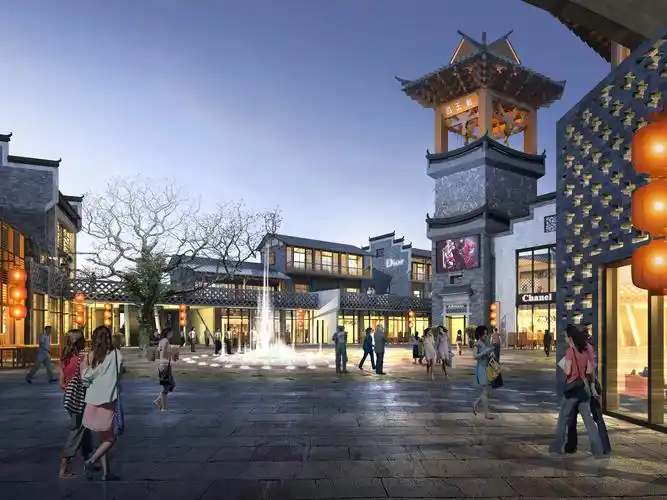
Located in Hengyang, Nanhuari Pedestrian Street is built around a group of Qing Dynasty-era brick and tile buildings, fusing Hunan folk culture with contemporary aesthetics. The street combines traditional courtyard houses with glass-walled creative shops, and is populated by Hanfu girls and street photographers. Traditional carved window frames and neon lights shine together in the evening. Featured shops like "Xiang Wei Gong Fang" (Hunan Flavor Workshop) offer hands-on experiences with non-heritage bamboo weaving, while "Cha Yan Yue Se" (Tea Color Delight) stores, inspired by Hengyang's local tea culture, develop new products. The corner "Nanhuari Tea House" retains the carved window frames of a Qing Dynasty tea house, and you can hear storytellers reciting ballads amidst the tea fragrance. This street, built in the late Qing Dynasty, witnessed the lectures and teachings of Zhang Shi (a founder of the Hunan School). The existing "Three-Entrance Four-Courtyard" building complex incorporates the "Three Carvings" technique of Hengyang, and the scene of children playing in the "Hundred Children Picture" wood carvings is lifelike. Scattered along the streets are "Hengyang Eight Scenery" poetry plaques, transforming the grandeur of "Stone Drum Mountains" and the mistiness of "Smoky Lake Rain" into modern art installations. At night, non-heritage inheritors demonstrate "Hengyang Embroidery" under the eaves, and the golden and silver threads of Hunan embroidery intertwine with the neon lights of the milk tea shops to create a flowing urban scroll.